

You twist your knee during a weekend soccer match, and within hours, the swelling tells you this isn’t a minor strain. For athletes and active adults in New Hampshire, sports injuries can derail training schedules, competitive goals, and daily routines in an instant. The difference between a full recovery and chronic complications often depends on following a structured treatment workflow from the moment of injury through complete rehabilitation. This guide walks you through each critical phase, from initial assessment and diagnosis to rehabilitation milestones and psychological support, so you can navigate your recovery with confidence and return to the activities you love safely and effectively.
Table of Contents
- Understanding Your Sports Injury And Initial Assessment
- Preparing For Treatment: Necessary Tools And Setting Recovery Goals
- Executing Your Rehabilitation: Step-By-Step Treatment Workflow
- Monitoring Progress And Managing Setbacks In Recovery
- Get Expert Care At Nowak Orthopedic Associates
- Frequently Asked Questions
Key takeaways
| Point | Details |
|---|---|
| Early specialist assessment accelerates recovery | Prompt orthopedic evaluation with imaging ensures accurate diagnosis and tailored treatment planning |
| Graft type determines rehab protocol | Allograft and autograft surgeries require different weight bearing timelines and exercise progressions |
| Psychological support enhances outcomes | Mental resilience and emotional coaching improve compliance and speed physical healing |
| Competition carries higher injury risk | Athletes face greater ACL tear risk during games compared to practice sessions |
Understanding your sports injury and initial assessment
Recognizing when a sports injury requires specialized orthopedic care is the first step toward effective recovery. Persistent pain, visible swelling, inability to bear weight, joint instability, or reduced range of motion signal the need for professional evaluation beyond basic first aid. New Hampshire athletes benefit from accessing local orthopedic specialists who can perform comprehensive physical examinations, order diagnostic imaging like MRI or X-ray, and review your injury history to pinpoint the exact nature and severity of damage.
The initial assessment phase involves more than just identifying the injury. Your orthopedic provider will consider your activity level, competitive goals, and overall health to develop a treatment plan tailored to your specific needs. Research shows that ACL injury risk is higher in competition compared to training sessions, which helps contextualize the urgency and intensity of treatment required. Understanding this risk profile allows both you and your medical team to set realistic expectations and timelines.
Early specialist consultation expedites the entire treatment process. Delays in diagnosis can lead to secondary complications, prolonged recovery, or the need for more invasive interventions later. By connecting with sports medicine services promptly, you gain access to advanced diagnostic tools and expert interpretation that general practitioners may not provide.
Key indicators that warrant immediate orthopedic evaluation include:
- Audible pop or snap at the moment of injury
- Rapid joint swelling within the first few hours
- Inability to continue activity or bear weight
- Feeling of joint instability or giving way
- Severe pain that doesn’t improve with rest and ice
Pro Tip: Document your injury details immediately, including the mechanism of injury, symptoms, and any first aid applied. This information helps your orthopedic specialist make faster, more accurate diagnostic decisions.
Preparing for treatment: necessary tools and setting recovery goals
Once your diagnosis is confirmed, preparation becomes essential for a smooth recovery journey. Understanding the specific type of surgical repair or conservative treatment planned allows you to gather necessary equipment and set realistic functional goals. For example, ACL reconstruction using a patellar tendon autograft requires different rehabilitation protocols compared to hamstring autograft or allograft procedures. Each graft type influences weight bearing and rehab timelines significantly.
Before treatment begins, coordinate with your care team to clarify expected milestones. Ask about anticipated recovery phases, when you can return to work or school, and the timeline for resuming sports activities. Setting clear, measurable goals like regaining full knee extension by week four or achieving single leg balance by week eight keeps you motivated and provides benchmarks for progress.
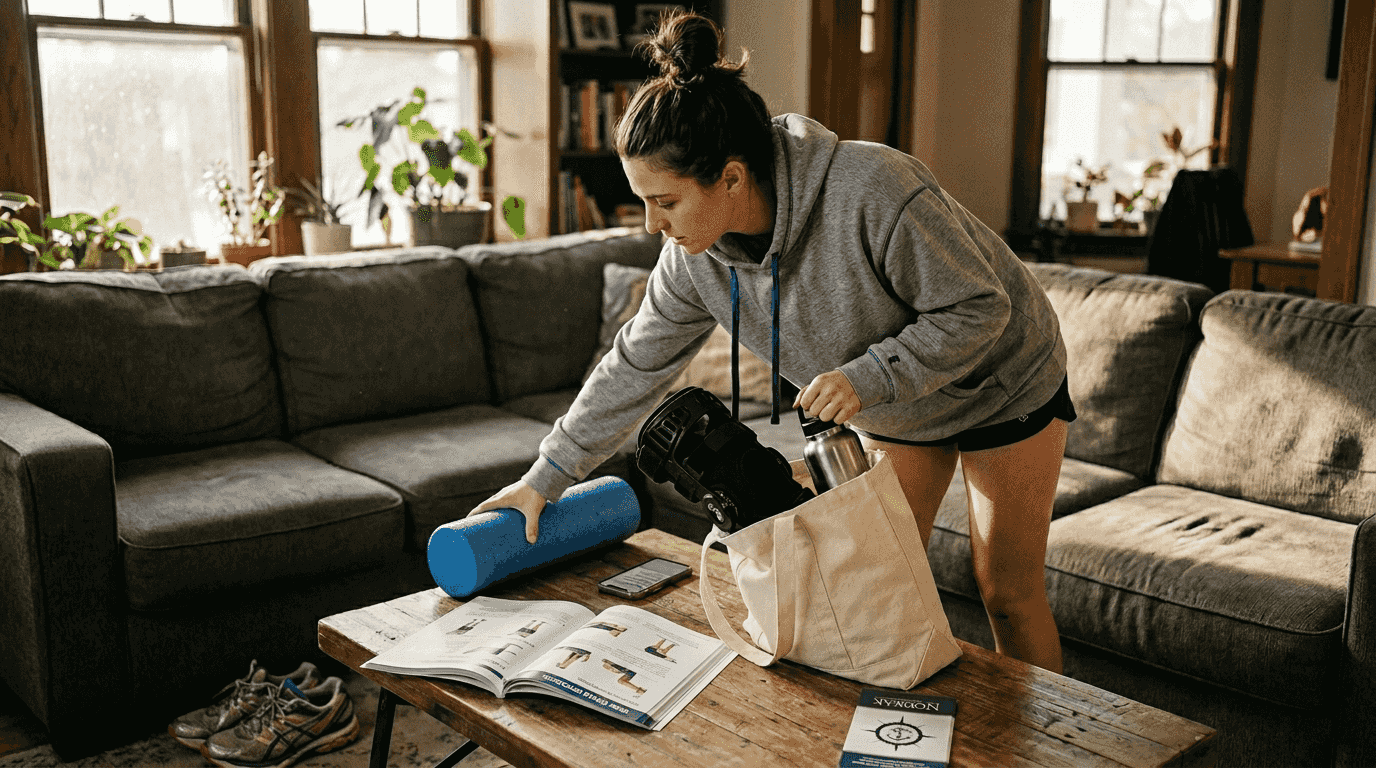
Gathering the right tools ahead of time prevents unnecessary stress during early recovery. Depending on your procedure, you may need crutches, a knee brace, ice packs, compression wraps, or elevation pillows. Your orthopedic team will provide a specific list, but having these items ready before surgery or starting intensive therapy ensures you can focus entirely on healing rather than scrambling for supplies.
| Graft Type | Weight Bearing Timeline | Key Rehab Focus |
|---|---|---|
| Patellar Tendon Autograft | Immediate weight bearing as tolerated | Early patellar mobilization exercises |
| Hamstring Autograft | Immediate weight bearing as tolerated | Hamstring strengthening and flexibility |
| Allograft | Immediate weight bearing as tolerated | Gradual progression with close monitoring |
Early patellar mobilization exercises are heavily emphasized for patellar tendon autograft cases to prevent scar tissue formation and maintain tendon glide. Understanding these nuances helps you mentally prepare for the specific demands your rehabilitation will place on you.
Additional preparation steps include:
- Arranging transportation to and from physical therapy appointments
- Modifying your home environment to reduce fall risks
- Stocking up on healthy foods that support tissue healing
- Communicating with employers or coaches about your recovery timeline
Pro Tip: Create a recovery journal to track daily exercises, pain levels, and mobility improvements. This record helps you and your physical therapist identify patterns and adjust your program for optimal results.
For comprehensive guidance on post-surgical expectations, review our knee surgery recovery guide and explore knee treatment options available in New Hampshire.
Executing your rehabilitation: step-by-step treatment workflow
Rehabilitation is where recovery truly happens, and following a structured, phase-based approach maximizes your outcomes. Your treatment workflow typically progresses through distinct stages, each with specific goals and exercises designed to restore function without risking re-injury. Discipline and consistency during this phase determine whether you return to full activity or face lingering limitations.

The early phase focuses on controlling inflammation, protecting healing tissues, and restoring basic range of motion. You’ll perform gentle passive movements, use ice and elevation religiously, and gradually increase weight bearing as tolerated. Patellar mobilizations are heavily emphasized in the early post-operative phase after patellar tendon autograft to prevent adhesions and maintain proper tendon mechanics.
As healing progresses, your program shifts toward active strengthening and proprioception training. You’ll advance from simple quad sets and straight leg raises to more challenging exercises like mini squats, step-ups, and balance board work. Each exercise builds neuromuscular control, which is critical for joint stability and injury prevention when you return to sports.
Psychological and emotional support plays a surprisingly powerful role during rehabilitation. Competitive athletes’ psychological experiences significantly affect rehabilitation success, influencing motivation, pain tolerance, and adherence to therapy protocols. Working with a sports psychologist or mental performance coach helps you manage frustration, maintain confidence, and stay committed even when progress feels slow.
Your step-by-step rehabilitation workflow should follow this progression:
- Control pain and swelling through rest, ice, compression, and elevation in the first 48 to 72 hours
- Begin gentle range of motion exercises to prevent stiffness while protecting healing structures
- Progress to active assisted and then active exercises as pain and swelling decrease
- Introduce progressive resistance training to rebuild muscle strength and endurance
- Add proprioception and balance exercises to restore neuromuscular control and joint awareness
- Incorporate sport-specific drills and plyometric training in later phases under supervision
- Complete functional testing and clearance protocols before returning to full competition
Regular communication with your medical team is non-negotiable. Report any unusual pain, swelling, or setbacks immediately so your therapist can adjust exercise intensity or modify your program. Pushing through warning signs often leads to complications that extend your recovery timeline significantly.
“The most successful recoveries happen when athletes view rehabilitation as training, not just therapy. Approach each session with the same intensity and focus you bring to competition.”
Pro Tip: Video record yourself performing key exercises and review the footage with your physical therapist. This visual feedback helps you perfect form and ensures you’re activating the right muscle groups effectively.
Integrating complementary therapies can accelerate your progress. Our stretch therapy program enhances flexibility and reduces muscle tension, while understanding physical therapy expectations prepares you mentally for the commitment required.
Monitoring progress and managing setbacks in recovery
Tracking your healing progress ensures you’re advancing appropriately and helps identify problems before they become serious complications. Each rehabilitation phase has expected timelines and functional milestones that serve as checkpoints for your recovery. Knowing these benchmarks allows you to celebrate achievements and recognize when you’re falling behind schedule.
Common setbacks include persistent swelling, increased pain during or after exercises, loss of previously gained range of motion, or feelings of instability. These warning signs suggest you may be progressing too quickly, performing exercises incorrectly, or developing complications like scar tissue formation or inflammation. Early intervention prevents minor issues from derailing your entire recovery.
Early rehab interventions vary based on graft type and individual healing progress, so your orthopedic provider may recommend additional imaging or adjustments to your protocol if concerns arise. Regular follow-up appointments, typically scheduled at two weeks, six weeks, three months, and six months post-surgery, provide opportunities for professional assessment and course correction.
Adjusting physical activity based on objective progress rather than how you feel prevents premature loading that can damage healing tissues. Your physical therapist will use specific tests to measure strength, range of motion, and functional capacity before clearing you for higher level activities. Patience during this phase pays dividends in long-term joint health and performance.
| Recovery Phase | Expected Timeline | Key Milestones |
|---|---|---|
| Immediate Post-Op | 0 to 2 weeks | Control swelling, achieve full extension, initiate quad activation |
| Early Rehab | 2 to 6 weeks | Progress weight bearing, restore 90 degrees flexion, begin strengthening |
| Intermediate Rehab | 6 to 12 weeks | Achieve full range of motion, build strength to 70% of uninvolved side |
| Advanced Rehab | 3 to 6 months | Return to jogging, agility drills, sport-specific training |
| Return to Sport | 6 to 12 months | Pass functional testing, demonstrate psychological readiness |
Benefits of coordinating closely with both your orthopedic surgeon and physical therapist include:
- Receiving expert guidance on when to progress or modify exercises
- Accessing advanced treatments like manual therapy or modalities when needed
- Getting timely imaging if complications are suspected
- Building confidence through professional reassurance and objective measurements
For detailed guidance on tracking knee recovery specifically, consult our knee recovery progress monitoring resource. Additional insights on managing the complete recovery process are available through this sports injury recovery steps guide.
Get expert care at Nowak Orthopedic Associates
Navigating sports injury recovery requires specialized expertise, advanced treatment options, and comprehensive support that extends beyond basic physical therapy. Nowak Orthopedic Associates in Hampton, NH, delivers precisely this level of care through board-certified orthopedic surgeon Dr. Roger B. Nowak and a dedicated team focused on restoring your function and getting you back to competition safely. Our sports medicine services combine minimally invasive arthroscopic techniques with evidence-based rehabilitation protocols tailored to your specific injury and athletic goals. We also offer cutting-edge orthobiologic injection treatments including PRP therapy and regenerative medicine options that accelerate healing and may reduce the need for surgery in certain cases. Whether you’re facing ACL reconstruction, meniscus repair, or managing chronic joint pain, our comprehensive approach addresses every aspect of your recovery journey. Learn more about optimizing your healing timeline through our knee surgery recovery guide and discover how personalized orthopedic care makes the difference between good and excellent outcomes.
Frequently asked questions
What is the typical timeline for returning to sports after an ACL injury?
Most athletes return to competitive sports between six and twelve months after ACL reconstruction, though individual timelines vary significantly based on graft type, rehabilitation compliance, and functional test results. Hamstring autograft and allograft procedures may follow slightly different progression schedules, with weight bearing protocols influencing early mobility. Your orthopedic surgeon and physical therapist will determine your specific clearance timeline based on objective strength measurements, hop tests, and psychological readiness assessments. Rushing back before achieving these benchmarks dramatically increases re-injury risk. Our sports medicine services provide comprehensive return-to-sport testing to ensure you’re truly ready for competition.
How do psychological factors affect sports injury rehabilitation?
Mental resilience, emotional support, and psychological coaching significantly improve rehabilitation compliance and physical healing outcomes. Competitive athletes’ psychological and emotional experiences influence motivation, pain perception, and adherence to therapy protocols throughout recovery. Addressing stress, fear of re-injury, and identity concerns helps athletes maintain consistent effort during challenging rehabilitation phases. Many successful recovery programs integrate sports psychology services alongside physical therapy to optimize both mental and physical preparation for return to sport.
What specific rehabilitation exercises are crucial after patellar tendon autograft surgery?
Patellar mobilization exercises are heavily emphasized in the early post-operative phase after patellar tendon autograft to prevent scar tissue formation and maintain proper tendon glide. Your physical therapist will teach you gentle manual techniques to move the patella in all directions, performed multiple times daily during the first several weeks. These mobilizations, combined with quad activation exercises and progressive strengthening, help restore normal knee mechanics and prevent long-term complications like patellofemoral pain syndrome. Early initiation of these specific exercises promotes better functional outcomes and faster return to activity.
When should I be concerned about swelling during recovery?
Some swelling is normal during early recovery and after increasing exercise intensity, but persistent or worsening swelling signals a problem requiring medical attention. Contact your orthopedic provider if swelling doesn’t improve with rest, ice, compression, and elevation within 24 to 48 hours, or if it’s accompanied by increased warmth, redness, or severe pain. Sudden onset of significant swelling after a specific activity may indicate you’ve progressed too quickly or performed an exercise incorrectly. Your medical team can assess whether the swelling represents normal post-exercise inflammation or a complication requiring intervention.
Can I prevent future sports injuries after recovering from my current one?
While you cannot eliminate injury risk entirely, evidence-based injury prevention programs significantly reduce re-injury rates and protect against new injuries. These programs emphasize neuromuscular training, proper movement mechanics, sport-specific conditioning, and gradual return to full intensity. Working with a physical therapist or athletic trainer to identify and correct movement patterns that contributed to your initial injury provides long-term protection. Maintaining strength, flexibility, and proprioception through ongoing conditioning even after full recovery keeps your joints resilient and responsive during high-demand activities.