

Why regenerative orthopedics offers lasting relief
Many adults in New Hampshire turn to pain medications or consider surgery when joint pain becomes unbearable, only to find temporary relief that masks symptoms rather than healing damaged tissue. Regenerative orthopedics represents a fundamentally different approach, using your body’s own healing mechanisms to repair joints, tendons, and ligaments at the cellular level. This guide explains how advanced therapies like StemWave and platelet-rich plasma work, which conditions respond best, and why minimally invasive regenerative treatments often deliver longer-lasting results than traditional methods for arthritis, sports injuries, and chronic musculoskeletal pain.
Table of Contents
- How Regenerative Orthopedics Promotes Natural Healing
- Conditions Regenerative Orthopedics Effectively Treats
- Comparing Regenerative Orthopedics To Traditional Treatments
- Applying Regenerative Orthopedics In New Hampshire: What Patients Should Know
- Explore Regenerative Orthopedic Treatments With Nowak Orthopedic Associates
- Frequently Asked Questions
Key takeaways
| Point | Details |
|---|---|
| Natural healing | Regenerative orthopedics stimulates your body’s repair processes rather than masking pain with medications. |
| Minimal downtime | Non-surgical treatments allow most patients to return to activities quickly without lengthy recovery periods. |
| Broad applications | Effective for osteoarthritis, rotator cuff injuries, meniscus tears, tendonitis, and chronic joint pain. |
| Advanced therapies | Uses cutting-edge treatments including PRP injections, StemWave Therapy, and cellular regenerative medicine. |
| Lasting relief | Addresses root causes of pain for improvements that can extend 24 months or longer. |
How regenerative orthopedics promotes natural healing
Regenerative orthopedics works by activating your body’s innate repair mechanisms rather than simply covering up symptoms. StemWave Therapy uses focused acoustic waves to stimulate natural healing by enhancing blood flow, collagen production, and stem cell activation for repair and regeneration. These acoustic pulses create microtrauma at the cellular level, triggering a cascade of biological responses that bring nutrients and growth factors to damaged tissue.
Cellular therapies take a complementary approach. Regenerative medicine utilizes human cellular tissue therapy, PRP therapy, exosome therapy, and A2M therapy to reduce inflammation, repair tissues, improve joint function, and support cartilage regrowth. PRP concentrates your own platelets and growth factors, then delivers them directly to injured areas through precise injections. Exosomes carry powerful signaling molecules that direct stem cells to repair sites and coordinate tissue regeneration.
These treatments target the biological roots of pain instead of temporarily blocking pain signals like medications do. They improve microcirculation, stimulate collagen synthesis, and activate dormant stem cells already present in your tissues. The result is actual tissue repair rather than symptom management. Most regenerative procedures involve minimal discomfort and require no surgical incisions, allowing you to avoid anesthesia risks and lengthy rehabilitation.
Pro Tip: Combining SoftWave Therapy with cellular treatments can enhance overall healing effectiveness by preparing tissues to better absorb growth factors and creating an optimal environment for regeneration.
The non-surgical nature of these therapies means you typically experience minimal downtime. Many patients receive treatments during lunch breaks and return to desk work the same day. Physical activities may need brief modification, but recovery timelines measure in days or weeks rather than the months required after surgery.
Conditions regenerative orthopedics effectively treats
Regenerative therapies address a remarkably wide range of musculoskeletal problems that traditionally required either ongoing medication or surgical intervention. StemWave Therapy can treat chronic shoulder, hip, ankle, and knee pain from injuries like meniscus tears, rotator cuff injuries, tendonitis, and arthritis-related joint pain. The acoustic wave technology proves especially valuable for conditions where poor blood flow has prevented natural healing.
PRP therapy is effective for knee pain, tendon injuries, rotator cuff issues, tennis elbow, and joint degeneration. Athletes with ligament strains, weekend warriors with chronic tendonitis, and active adults with early arthritis all respond well to PRP injections. The concentrated growth factors accelerate healing in tissues that normally repair slowly due to limited blood supply.
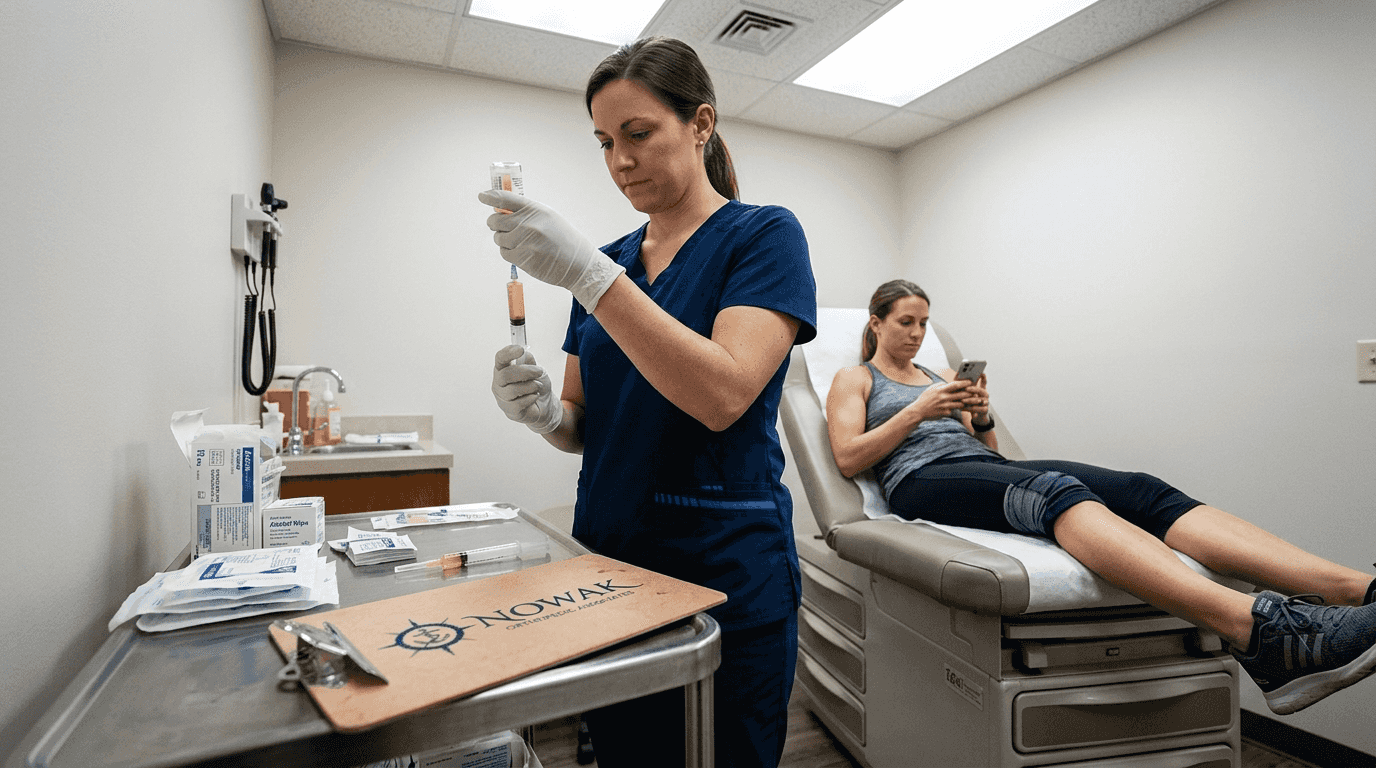
For more advanced joint degeneration, mesenchymal stem cell therapies offer promising results. Research shows MSC injections provide durable improvements in osteoarthritis pain relief and function up to 24 months post-treatment. These cells differentiate into cartilage, bone, and connective tissue as needed, essentially rebuilding damaged joint structures.
| Condition | Recommended Regenerative Treatment | Expected Outcome |
|---|---|---|
| Knee osteoarthritis | PRP, MSC injections | Reduced pain, improved mobility for 12-24 months |
| Rotator cuff tendinopathy | PRP, StemWave Therapy | Enhanced healing, restored shoulder function |
| Meniscus tears (partial) | PRP, cellular therapy | Tissue repair, delayed or avoided surgery |
| Tennis/golfer’s elbow | PRP injections | Pain relief, return to activities in weeks |
| Chronic tendonitis | StemWave, PRP combination | Long-term inflammation reduction |
| Hip arthritis | MSC therapy, orthobiologics | Improved joint function, reduced stiffness |
Pro Tip: Early intervention with regenerative therapies can improve recovery times and outcomes by treating damage before it progresses to severe degeneration requiring joint replacement.
The versatility of regenerative treatments makes them suitable whether you’re dealing with a recent sports medicine injury or managing years of progressive osteoarthritis of the knee. Younger patients often use these therapies to accelerate recovery and return to competition, while older adults find them valuable for maintaining independence and avoiding major surgery.
Comparing regenerative orthopedics to traditional treatments
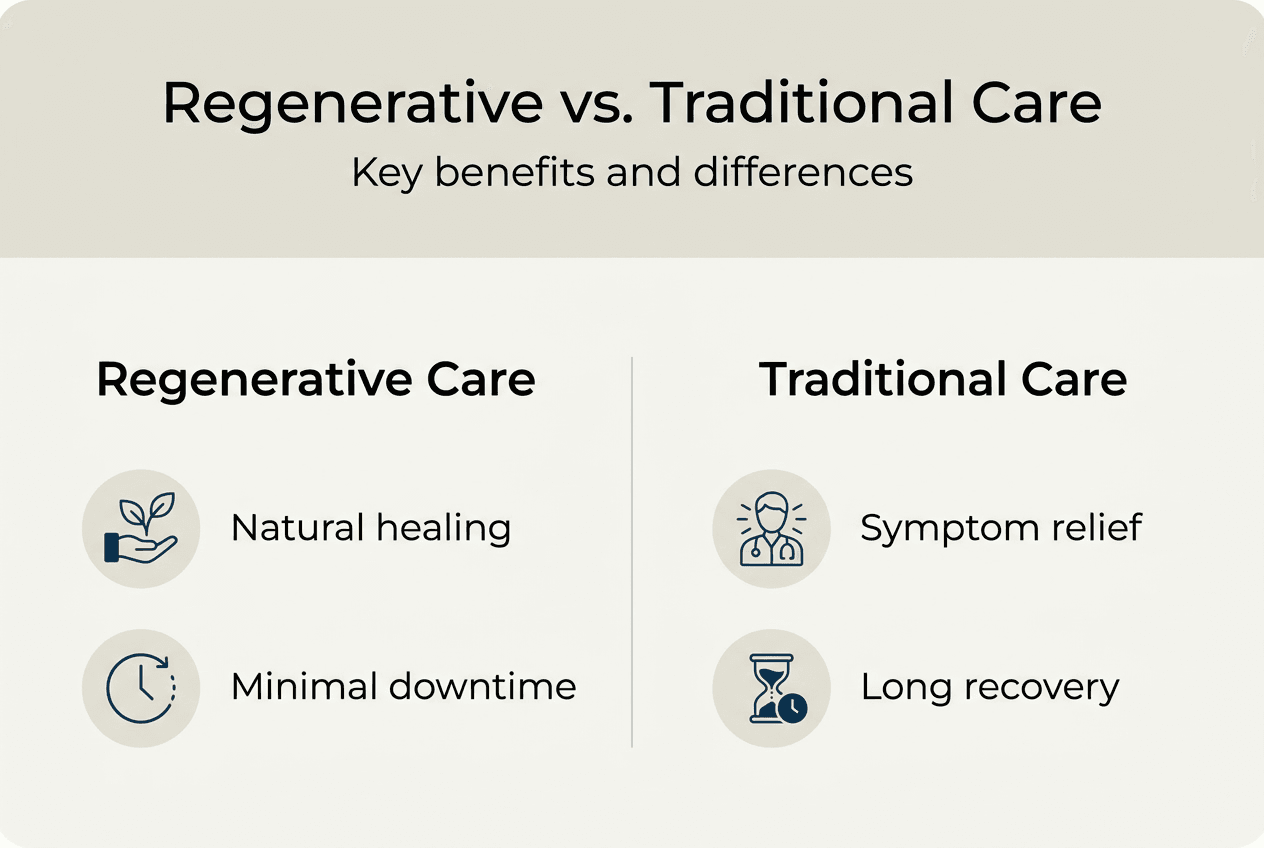
The fundamental difference between regenerative and traditional approaches lies in their goals. Regenerative therapies aim to heal damaged tissue and restore normal function, while conventional treatments typically focus on managing symptoms or removing problematic structures. StemWave Therapy offers a non-surgical, painless alternative that avoids surgery risks and long-term medication side effects.
Surgical interventions carry inherent risks including infection, anesthesia complications, and lengthy rehabilitation. A knee arthroscopy requires weeks of restricted movement and months of physical therapy. Joint replacement surgery demands even longer recovery with permanent activity limitations. Regenerative treatments involve injections or acoustic wave sessions with minimal recovery time and no surgical complications.
Medications present their own concerns. NSAIDs cause gastrointestinal bleeding and cardiovascular risks with prolonged use. Opioid painkillers create dependency and only mask pain. Corticosteroid injections provide temporary relief but can weaken tendons and cartilage with repeated use. Studies demonstrate PRP provides comparable or superior functional improvements compared to hyaluronic acid and corticosteroids, especially when combined therapies are used.
| Treatment Type | Invasiveness | Recovery Time | Risks | Duration of Relief |
|---|---|---|---|---|
| Surgery | High (incisions, anesthesia) | Weeks to months | Infection, complications | Permanent but limited |
| Medications | Low (oral/injection) | None | Side effects, dependency | Temporary (hours to weeks) |
| Corticosteroids | Low (injection) | Days | Tissue weakening | 6-12 weeks |
| Regenerative therapies | Minimal (injections/acoustic) | Days to weeks | Minor injection site reaction | 12-24+ months |
The advantages of regenerative orthopedics include:
- Less pain during and after treatment compared to surgical procedures
- Shorter recovery allowing faster return to work and activities
- Fewer complications with no surgical site infections or anesthesia risks
- Longer-lasting improvements by healing tissue rather than masking symptoms
- Preservation of natural joint structures instead of replacement or removal
- Ability to combine with orthobiologic injections and stretch therapy for comprehensive care
Regenerative treatments work best when integrated into a complete care plan. Physical therapy strengthens supporting muscles, proper nutrition provides building blocks for tissue repair, and activity modification prevents re-injury during healing. This holistic approach addresses not just the damaged tissue but the biomechanical and lifestyle factors that contributed to injury.
Applying regenerative orthopedics in New Hampshire: what patients should know
Successfully accessing regenerative orthopedic care requires understanding what to expect and how to choose the right provider. Patients should consult specialists experienced in multiple regenerative therapies who can recommend the most appropriate treatment for your specific condition. Not every orthopedic practice offers advanced options like StemWave or cellular therapies, so seeking providers with dedicated regenerative medicine programs ensures access to the full range of possibilities.
Treatments are personalized based on condition severity, your activity goals, overall health status, and how your body responds to initial therapies. A runner with early knee arthritis receives different recommendations than a retiree with advanced hip degeneration. Your treatment plan should reflect your individual healing capacity and functional objectives.
Here’s what to expect during the regenerative treatment process:
- Comprehensive consultation where your provider reviews symptoms, medical history, and examines affected joints to determine candidacy for regenerative therapies.
- Diagnostic imaging such as X-rays, MRI, or ultrasound to assess tissue damage severity and identify specific structures requiring treatment.
- Treatment planning discussion covering which regenerative modalities suit your condition, expected timeline, number of sessions needed, and realistic outcome expectations.
- Therapy sessions involving injections, acoustic wave treatments, or combination approaches delivered over weeks or months depending on your protocol.
- Follow-up care including progress monitoring, additional treatments if needed, and integration with physical therapy or activity modification to optimize results.
Research indicates StemWave Therapy is often integrated with other regenerative and supportive treatments to maximize patient outcomes. Combining therapies creates synergistic effects where each modality enhances the others. Evidence shows PRP shows best results in mild to moderate arthritis and is suited to younger patients seeking improved function and activity levels.
Pro Tip: Selecting a clinic offering multiple regenerative options ensures tailored, comprehensive care rather than a one-size-fits-all approach limited by available technology.
Regenerative treatments can combine with physical therapy and lifestyle changes for best results. Strengthening exercises stabilize joints and prevent compensatory movement patterns. Weight management reduces stress on lower extremity joints. Proper nutrition provides amino acids and micronutrients essential for tissue repair. Anti-inflammatory dietary changes support the healing environment created by regenerative therapies.
Patients at a regenerative clinic benefit from coordinated care where orthopedic specialists, physical therapists, and regenerative medicine experts collaborate on treatment plans. This team approach addresses mechanical, biological, and functional aspects of recovery. Understanding osteoarthritis treatment options helps you make informed decisions about whether regenerative therapies align with your goals.
Explore regenerative orthopedic treatments with Nowak Orthopedic Associates
Nowak Orthopedic Associates brings leading-edge regenerative therapies to patients throughout New Hampshire seeking lasting relief from joint pain and musculoskeletal injuries. Our regenerative clinic offers comprehensive treatment options including SoftWave Therapy, platelet-rich plasma injections, and advanced orthobiologic injections tailored to your specific condition and recovery goals.
Dr. Nowak and our experienced team specialize in treating arthritis, sports injuries, and chronic joint pain with minimally invasive approaches that promote natural healing. We create personalized treatment plans combining multiple regenerative modalities with physical therapy and activity modification to optimize your outcomes. Our sports medicine expertise ensures athletes receive protocols designed to restore peak performance while preventing re-injury.
Schedule a consultation to explore which regenerative treatments align with your needs and discover how our integrated approach can help you avoid surgery, reduce pain, and return to the activities you love.
Frequently asked questions
What is regenerative orthopedics?
Regenerative orthopedics encompasses treatments that harness your body’s natural healing mechanisms to repair damaged joints, tendons, ligaments, and cartilage. These therapies include cellular treatments like PRP and stem cell injections, as well as technologies like StemWave acoustic wave therapy. Unlike traditional approaches that mask pain or remove damaged tissue, regenerative methods stimulate actual tissue repair and regeneration. They’re particularly effective for osteoarthritis, rotator cuff injuries, meniscus tears, chronic tendonitis, and sports-related ligament damage.
How does StemWave Therapy work to relieve pain?
StemWave Therapy uses focused acoustic waves to stimulate blood flow, collagen production, and stem cell activity to repair damage and reduce pain. The acoustic pulses create controlled microtrauma that triggers your body’s healing response, bringing growth factors and nutrients to injured tissue. This non-invasive treatment involves no incisions or anesthesia, with most patients experiencing minimal discomfort during sessions. Results typically develop over weeks as new tissue forms and inflammation decreases.
What conditions can regenerative therapies effectively treat?
Regenerative orthopedics addresses a wide range of musculoskeletal problems including osteoarthritis in knees, hips, and shoulders, rotator cuff tendinopathy, meniscus tears, ACL injuries, tennis elbow, golfer’s elbow, chronic tendonitis, and ligament sprains. These treatments prove especially valuable for sports injuries requiring accelerated healing and degenerative conditions where surgery carries high risks or limited benefits. Both acute injuries and chronic pain conditions respond well when treated with appropriate regenerative protocols.
Are regenerative orthopedic treatments safe and how long is recovery?
Regenerative therapies are generally safe, non-surgical, and involve minimal downtime; injection site reactions are the most common mild side effects. Most patients experience brief soreness or swelling at injection sites that resolves within days. Because these treatments use your own cells or natural healing mechanisms, allergic reactions are extremely rare. Recovery times vary by treatment type but typically range from a few days for acoustic wave therapy to two weeks for cellular injections. Most patients return to desk work immediately and resume physical activities within one to three weeks, significantly faster than surgical recovery timelines.