

Many adults believe knee arthroscopy always heals faster than shoulder arthroscopy, but this assumption oversimplifies a complex picture. While knee procedures often allow quicker return to light activities, shoulder arthroscopy recovery varies dramatically based on the specific repair performed. Understanding these distinctions is critical for New Hampshire residents facing joint pain from sports injuries or degenerative conditions. This guide clarifies procedural differences, recovery expectations, complication risks, and local specialist options to help you make informed decisions about arthroscopic surgery for your shoulder or knee.
Table of Contents
- Key takeaways
- Understanding shoulder and knee arthroscopy techniques
- Comparing recovery times and outcomes between shoulder and knee arthroscopy
- Risks, complications, and when each arthroscopy is preferred
- Accessing arthroscopic care in New Hampshire: specialists and treatment options
- Explore expert joint care options at Nowak Orthopedic Associates
- Shoulder vs knee arthroscopy: frequently asked questions
Key Takeaways
| Point | Details |
|---|---|
| Minimally invasive approach | Both shoulder and knee arthroscopy use small 1 to 2 cm incisions and an arthroscope to visualize joints. |
| Joint targets differ | Shoulder procedures address rotator cuff and labral problems, whereas knee arthroscopy focuses on meniscus tears and ACL related repairs. |
| Recovery timelines vary | Knee arthroscopy often allows light activity within one to four weeks, while shoulder procedures may require four to six weeks for basic tasks and longer for complex repairs. |
| Same day discharge | Most arthroscopic procedures are outpatient and commonly discharge the same day. |
Understanding shoulder and knee arthroscopy techniques
Both shoulder and knee arthroscopy are minimally invasive procedures using small incisions that measure just 1-2 cm. Surgeons insert an arthroscope, a pencil-thin camera that transmits real-time images to a monitor, allowing precise visualization of interior joint structures. Through additional portals, specialized instruments repair damaged tissues, remove debris, or reconstruct torn ligaments.
Shoulder arthroscopy typically requires more portals than knee procedures due to the joint’s complex three-dimensional anatomy and range of motion. Patients are positioned either in a beach chair or lateral decubitus position, with the arm secured to allow optimal access to all shoulder compartments. Shoulder procedures commonly fix rotator cuff tears, labral damage, and instability, conditions frequently seen in overhead athletes and adults over 40.
Knee arthroscopy addresses different mechanical problems. The procedure targets meniscus tears, which act like shock absorbers between your thighbone and shinbone. Surgeons also reconstruct torn anterior cruciate ligaments (ACL), repair cartilage damage, and remove inflamed synovial tissue. The knee’s hinge-like structure allows for more straightforward portal placement compared to the ball-and-socket shoulder joint.
Key advantages of arthroscopic approaches include:
- Significantly smaller scars compared to traditional open surgery
- Reduced post-operative pain and inflammation
- Lower infection risk due to minimal tissue exposure
- Faster return to daily activities for most patients
- Outpatient procedure in most cases, allowing same-day discharge
- Preservation of surrounding healthy tissue and joint structures
Pro Tip: Ask your surgeon about the specific portals they’ll use and why. Understanding your unique anatomy and injury pattern helps set realistic recovery expectations and prepares you mentally for the rehabilitation journey ahead.
Both procedures represent significant advances over open surgery techniques used decades ago. Traditional open shoulder treatments required large incisions that cut through muscles, leading to prolonged recovery and increased scarring. Modern knee arthroscopy procedures similarly replaced invasive approaches that once kept patients immobilized for weeks. The shift toward arthroscopy vs open knee surgery has revolutionized orthopedic care, particularly for active adults who need to return to sports or physically demanding jobs.
Comparing recovery times and outcomes between shoulder and knee arthroscopy
Recovery from knee arthroscopy typically allows light activity within 1-4 weeks, making it appealing for patients eager to resume normal routines. Simple meniscus repairs or partial meniscectomies often permit walking with minimal assistance within days. More complex procedures like ACL reconstruction extend recovery to several months but still follow predictable timelines.
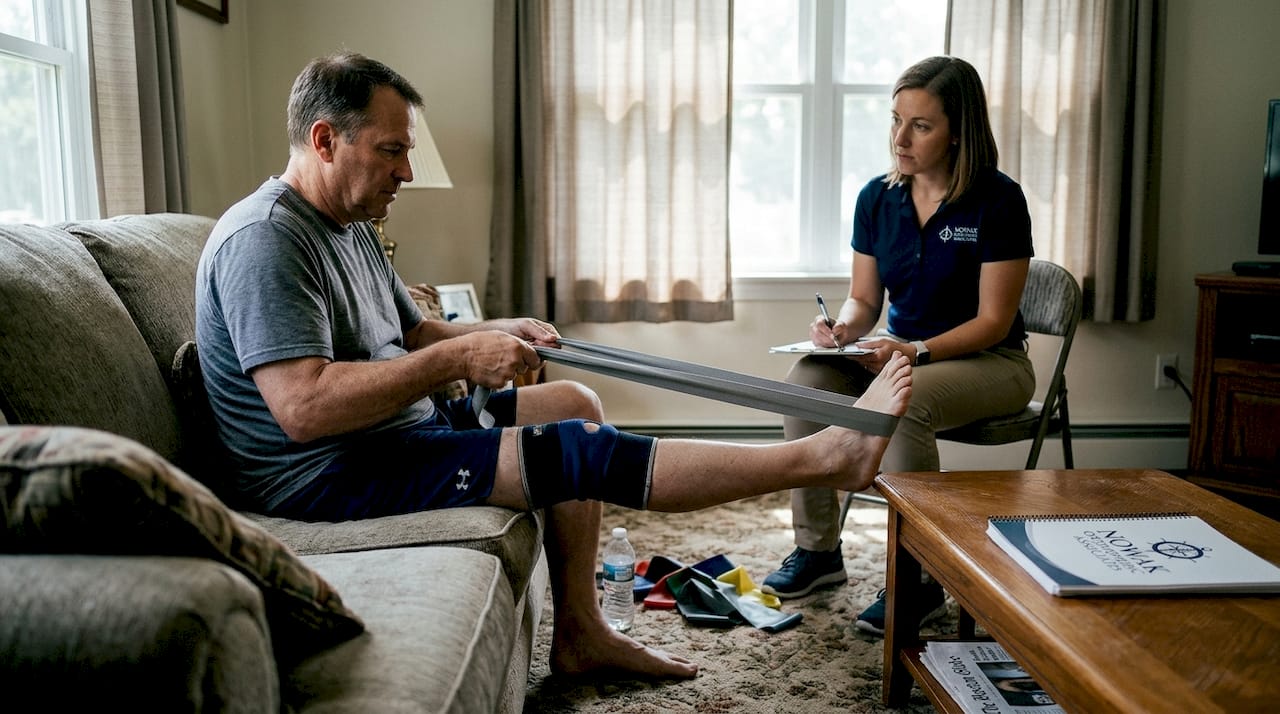
Shoulder arthroscopy demands more patience. Simple procedures like debridement or labral repairs require 4-6 weeks before patients can perform basic overhead activities. Rotator cuff repairs, however, necessitate 3-6 months of structured rehabilitation because tendons heal more slowly than other soft tissues. The shoulder’s extensive range of motion also means more muscle groups must regain strength and coordination.
| Recovery Milestone | Shoulder Arthroscopy | Knee Arthroscopy |
|---|---|---|
| Weight Bearing/Use | Sling for 2-6 weeks | Immediate to 2 weeks |
| Physical Therapy Start | Within 1 week | Within 1-3 days |
| Return to Desk Work | 1-2 weeks | 3-7 days |
| Return to Light Exercise | 6-12 weeks | 4-8 weeks |
| Return to Sports | 4-6 months | 3-6 months |
| Full Recovery | 6-12 months | 3-6 months |
Both procedures share the advantage of being outpatient surgeries performed under regional or general anesthesia. You’ll go home the same day with pain management protocols that typically include ice, elevation, and prescribed medications. The minimally invasive nature means less tissue trauma and consequently less post-operative discomfort compared to open techniques.
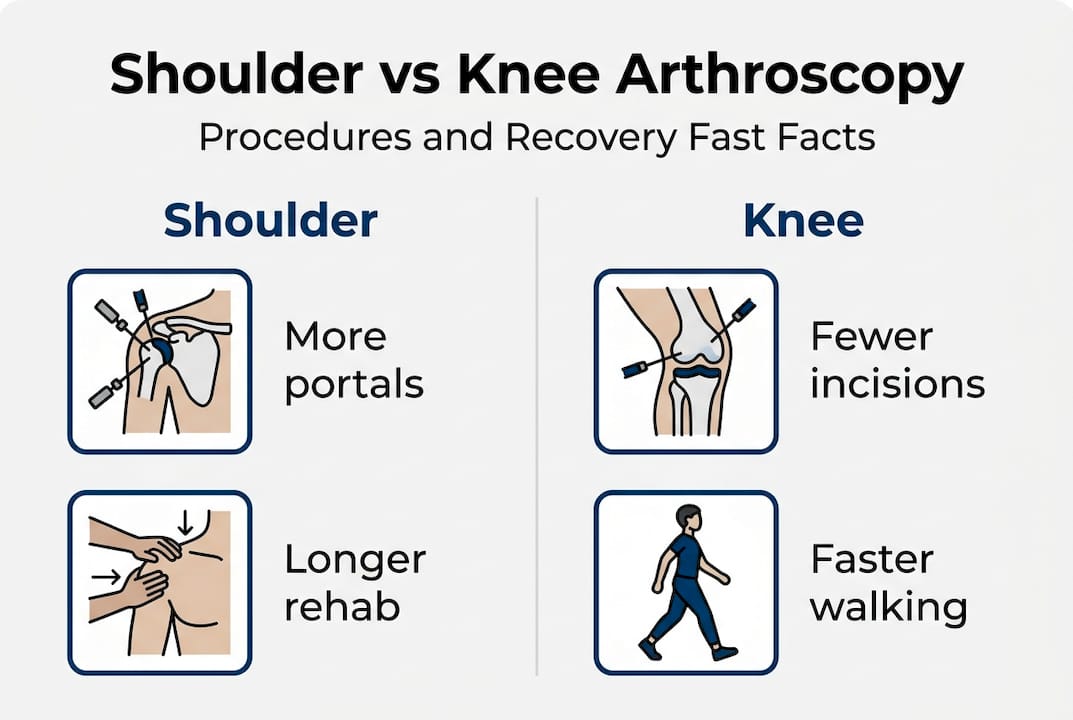
Functional outcomes show good results when patients commit to rehabilitation protocols. Studies of arthroscopic Bankart repair for shoulder instability report Rowe scores averaging 91, indicating excellent functional restoration. However, shoulder procedures carry higher revision surgery rates than knee arthroscopy, suggesting some repairs may require additional intervention years later.
Recovery success depends on several factors:
- Severity and complexity of the original injury or condition
- Patient age and overall health status at time of surgery
- Adherence to prescribed physical therapy and home exercise programs
- Avoidance of activities that stress the healing joint prematurely
- Management of inflammation through appropriate rest and ice protocols
- Nutritional support for tissue healing, including adequate protein intake
Pro Tip: Schedule physical therapy appointments before your surgery. Having these sessions booked eliminates the temptation to delay rehabilitation, which is the single biggest factor determining your final outcome and functional capacity.
“The difference between good and excellent outcomes often comes down to patient commitment during the first six weeks of rehabilitation. This window is critical for preventing scar tissue formation and maintaining range of motion.” — Orthopedic rehabilitation research consensus
Your knee surgery recovery guide should include specific milestones and red flags that warrant immediate contact with your surgeon. Similarly, understanding joint procedure outcomes across different repair types helps calibrate expectations and reduces anxiety during the healing process.
Risks, complications, and when each arthroscopy is preferred
Shoulder arthroscopy complications occur in approximately 7.9% of cases, with stiffness and persistent pain being the most common issues. Knee arthroscopy generally presents lower complication rates, though risks still exist. Understanding these safety profiles helps you weigh benefits against potential downsides when considering surgery.
Surgical complications show higher rates in shoulder and knee arthroscopy compared to hip arthroplasty, with adjusted odds ratios reaching 4.1 to 4.48 for shoulder procedures. This doesn’t mean arthroscopy is dangerous, rather that the shoulder’s anatomical complexity and healing characteristics present unique challenges. Infection rates remain low for both procedures, typically under 1% when proper sterile techniques are followed.
| Complication Type | Shoulder Risk | Knee Risk |
|---|---|---|
| Infection | <1% | <1% |
| Nerve Injury | 1-2% | <1% |
| Stiffness | 3-5% | 1-2% |
| Blood Clots | Rare | 1-2% |
| Persistent Pain | 2-4% | 1-3% |
| Hardware Issues | 1-2% | <1% |
Certain scenarios favor one procedure over the other or may require conversion to open surgery. Complex shoulder injuries including large rotator cuff tears or fractures may necessitate open repair when arthroscopic techniques cannot adequately address the damage. Similarly, massive meniscus tears with significant degeneration might require partial knee replacement rather than arthroscopic repair.
Knee septic arthritis demonstrates a clear preference for arthroscopic intervention. Studies show arthroscopic lavage achieves better treatment success compared to open surgery, with odds ratios of 2.52 favoring the minimally invasive approach. This advantage stems from thorough joint irrigation with less tissue trauma and faster recovery.
Arthroscopy is preferred when:
- Diagnostic imaging suggests repairable soft tissue damage
- Patient desires faster recovery and minimal scarring
- Conservative treatments like physical therapy and injections have failed
- Active lifestyle or sports participation requires optimal joint function
- Younger patients with good healing capacity need structural repairs
Open surgery becomes necessary when:
- Extensive bone reconstruction or realignment is required
- Multiple structures need simultaneous repair beyond arthroscopic capability
- Previous arthroscopic repairs have failed and require revision
- Severe arthritis necessitates joint replacement rather than preservation
Pro Tip: Don’t hesitate to ask your surgeon about their conversion rate from arthroscopic to open procedures. Experienced surgeons can usually predict preoperatively whether arthroscopy will suffice, but having this conversation ensures you understand all possibilities before entering the operating room.
Your orthopedic specialist should discuss your specific risk factors, including age, activity level, smoking status, and comorbid conditions like diabetes that affect healing. Sports injury treatment in NH incorporates these individual factors into treatment recommendations, ensuring the chosen approach aligns with your lifestyle goals and medical profile.
Accessing arthroscopic care in New Hampshire: specialists and treatment options
New Hampshire specialists like Dr. David Davis in Exeter bring extensive sports medicine expertise to shoulder and knee arthroscopy, earning patient ratings of 4.8 out of 5. Dr. Thomas Fortney in Nashua focuses on shoulder and sports injuries with an impressive 4.9 out of 5 rating. These high satisfaction scores reflect not just surgical skill but comprehensive care approaches that prioritize patient education and realistic expectation setting.
Local orthopedic practices offer integrated care pathways that begin with thorough diagnostic evaluation, including physical examination, imaging studies, and discussion of conservative treatment options. Many patients benefit from non-surgical interventions before considering arthroscopy. When surgery becomes necessary, experienced surgeons utilize the latest arthroscopic equipment and techniques refined through hundreds of procedures annually.
Advanced treatment options complement traditional arthroscopy:
- Orthobiologic injections using platelet-rich plasma to accelerate healing
- Cartilage restoration techniques that preserve joint surfaces
- Customized bracing and support systems during recovery phases
- Comprehensive physical therapy programs with sports-specific protocols
- Pain management strategies that minimize opioid dependence
- Nutritional counseling to optimize tissue repair and reduce inflammation
New Hampshire’s orthopedic community emphasizes personalized treatment plans that consider your specific injury pattern, activity goals, and lifestyle demands. A weekend warrior with a meniscus tear receives different counseling than a competitive athlete with the same injury. Similarly, a 45-year-old office worker with a rotator cuff tear needs a different recovery approach than a 30-year-old construction worker.
Scheduling an early consultation provides several advantages. First, you gain clarity about whether your symptoms truly require surgical intervention or if conservative treatments might resolve the issue. Second, early evaluation allows time for prehabilitation, strengthening surrounding muscles before surgery to improve post-operative outcomes. Third, you can plan the procedure timing around work and family commitments rather than facing emergency surgery after further injury.
Pro Tip: Bring a list of all activities you want to resume after surgery, from daily tasks like reaching overhead cabinets to recreational pursuits like tennis or skiing. This information helps your surgeon tailor the repair technique and rehabilitation protocol to your specific functional goals.
Access to orthopedic services NH residents need extends beyond surgery itself. Comprehensive practices coordinate imaging, physical therapy, follow-up care, and long-term monitoring under one roof. This integration eliminates the frustration of coordinating between multiple providers and ensures consistent communication throughout your treatment journey.
The sports injury treatment workflow typically progresses through evaluation, conservative treatment trial, surgical consultation if needed, procedure scheduling, surgery, structured rehabilitation, and return-to-activity clearance. Understanding this pathway reduces anxiety and helps you prepare mentally and logistically for each phase.
Emerging regenerative therapies like orthobiologic injections represent exciting frontiers in joint care. These treatments harness your body’s natural healing factors to repair damaged tissues, potentially reducing the need for surgery or enhancing surgical outcomes when procedures are necessary. Discussing these options during your consultation ensures you explore all available tools for optimal joint health.
Explore expert joint care options at Nowak Orthopedic Associates
Nowak Orthopedic Associates in Hampton specializes in arthroscopic procedures for shoulder and knee injuries, combining surgical expertise with comprehensive rehabilitation support. Dr. Roger B. Nowak and his team perform rotator cuff repairs, labral reconstructions, ACL surgeries, and meniscus repairs using advanced arthroscopic techniques refined through years of focused practice. The practice’s integrated approach addresses every phase of your recovery journey.
Patients benefit from personalized treatment plans that may include physical therapy, targeted injections, or regenerative therapies before considering surgery. When arthroscopy becomes necessary, the surgical team utilizes minimally invasive approaches that reduce tissue trauma and accelerate healing. Post-operative care includes structured rehabilitation protocols designed to restore strength, flexibility, and functional capacity.
Cutting-edge adjunct therapies enhance recovery outcomes. The dedicated Regenerative Medicine Clinic offers orthobiologic injections that stimulate natural healing processes and reduce inflammation. These treatments complement surgical repairs or serve as standalone interventions for appropriate candidates. The sports injury treatment workflow ensures athletes receive specialized protocols that address sport-specific demands and return-to-play criteria.
Comprehensive orthopedic services NH residents need encompass diagnosis, treatment, surgery when appropriate, and long-term joint health maintenance. Booking an evaluation provides clarity about your condition and the full spectrum of treatment options available. Whether you’re dealing with acute sports injuries or chronic degenerative changes, expert guidance helps you navigate decisions and achieve optimal outcomes.
Shoulder vs knee arthroscopy: frequently asked questions
Can I have both shoulder and knee arthroscopy at once?
Simultaneous bilateral arthroscopy is rarely performed due to anesthesia duration concerns and rehabilitation challenges. Most surgeons recommend staging procedures several months apart to allow proper healing and focused rehabilitation for each joint. However, if both joints require urgent intervention and medical factors permit, discuss timing strategies with your orthopedic surgeon to develop the safest approach.
What pain management options exist after these surgeries?
Multimodal pain management combines regional nerve blocks during surgery, non-opioid medications like acetaminophen and NSAIDs, ice therapy, and elevation protocols. Many patients require only minimal opioid pain medication for the first few days post-operatively. Your surgical team will create a personalized pain control plan that balances comfort with minimizing medication side effects and dependency risks.
How to choose between shoulder vs knee arthroscopy if I have issues in both joints?
Prioritize based on which joint causes greater functional limitation and pain in your daily life. If your knee prevents walking comfortably, address it first since mobility affects overall health. If shoulder pain disrupts sleep and basic self-care activities, it may take precedence. Consult with your orthopedic specialist to evaluate injury severity, healing timelines, and your specific lifestyle demands before deciding the treatment sequence.
Is arthroscopy suitable for older adults with joint pain?
Age alone doesn’t disqualify arthroscopy candidacy. Many adults over 60 achieve excellent outcomes from shoulder treatments and knee treatments when appropriate patient selection occurs. Factors like overall health, bone quality, realistic expectations, and commitment to rehabilitation matter more than chronological age. However, advanced arthritis may warrant joint replacement rather than arthroscopic repair in some older patients.
What should I expect during a consultation with NH arthroscopy specialists?
Your initial consultation includes a detailed medical history review, physical examination of the affected joint, and analysis of any previous imaging studies you bring. The specialist will explain your diagnosis, discuss conservative treatment options, and outline surgical approaches if appropriate. Expect to receive information about recovery timelines, potential risks, and expected outcomes. Come prepared with questions about your specific situation, activity goals, and concerns about the procedure or recovery process.