

Many people assume joint pain inevitably leads to surgery or years of discomfort. The truth is, orthopedic injections now offer a powerful middle ground, delivering targeted relief and healing without invasive procedures. For adults in New Hampshire dealing with joint pain, injuries, or mobility limitations, these treatments represent a growing solution that combines proven science with minimal downtime. This article explains what orthopedic injections are, how they work, their clinical effectiveness, and when they make sense for your recovery journey. Whether you’re an athlete returning to competition or someone seeking everyday mobility, understanding your injection options empowers better treatment decisions.
Table of Contents
- Key takeaways
- What are orthopedic injections and how do they work?
- Clinical evidence and effectiveness of orthopedic injections
- Comparing orthopedic injections to other joint pain treatments
- Practical applications: when and how orthopedic injections are used
- Explore expert orthopedic care and advanced treatments at Nowak Orthopedic Associates
- Frequently asked questions about orthopedic injections
Key Takeaways
| Point | Details |
|---|---|
| Direct joint relief | Orthopedic injections deliver therapeutic substances directly into joints to reduce inflammation and relieve pain. |
| Injection types | Corticosteroids, hyaluronic acid, PRP, and stem cell injections target inflammation, lubrication, and tissue healing. |
| Fast procedure rehab support | Injections are performed in minutes with minimal downtime and can support rehabilitation while delaying the need for surgery. |
| Clinical effectiveness | Clinical studies show meaningful pain relief and improved joint function across injection types with benefits lasting months or years. |
What are orthopedic injections and how do they work?
Orthopedic injections deliver therapeutic substances directly into or around affected joints to reduce inflammation, relieve pain, and stimulate tissue repair. Unlike oral medications that circulate throughout your entire body, these targeted treatments concentrate healing agents exactly where you need them. This precision makes injections particularly effective for localized joint problems while minimizing systemic side effects.
Several types of orthobiologic injections address different aspects of joint health:
- Corticosteroid injections quickly reduce inflammation and pain in arthritic or injured joints
- Hyaluronic acid injections supplement natural joint fluid to improve lubrication and cushioning
- Platelet-rich plasma (PRP) injections use concentrated growth factors from your own blood to accelerate healing
- Stem cell injections introduce regenerative cells that can differentiate into various tissue types
These treatments work through complementary mechanisms. Corticosteroids suppress inflammatory responses that cause swelling and discomfort. Hyaluronic acid restores the viscous properties of synovial fluid, reducing friction between cartilage surfaces. Orthobiologic injections include corticosteroids and orthobiologic agents that reduce inflammation and promote tissue healing, with PRP and stem cells actively stimulating your body’s natural repair processes by releasing growth factors and signaling molecules.
Orthopedic specialists commonly administer these injections to knees, shoulders, elbows, hips, and hands. The procedure typically takes just minutes in an office setting, often using ultrasound or fluoroscopy guidance to ensure accurate placement. Most patients experience minimal discomfort during injection and can resume light activities the same day.
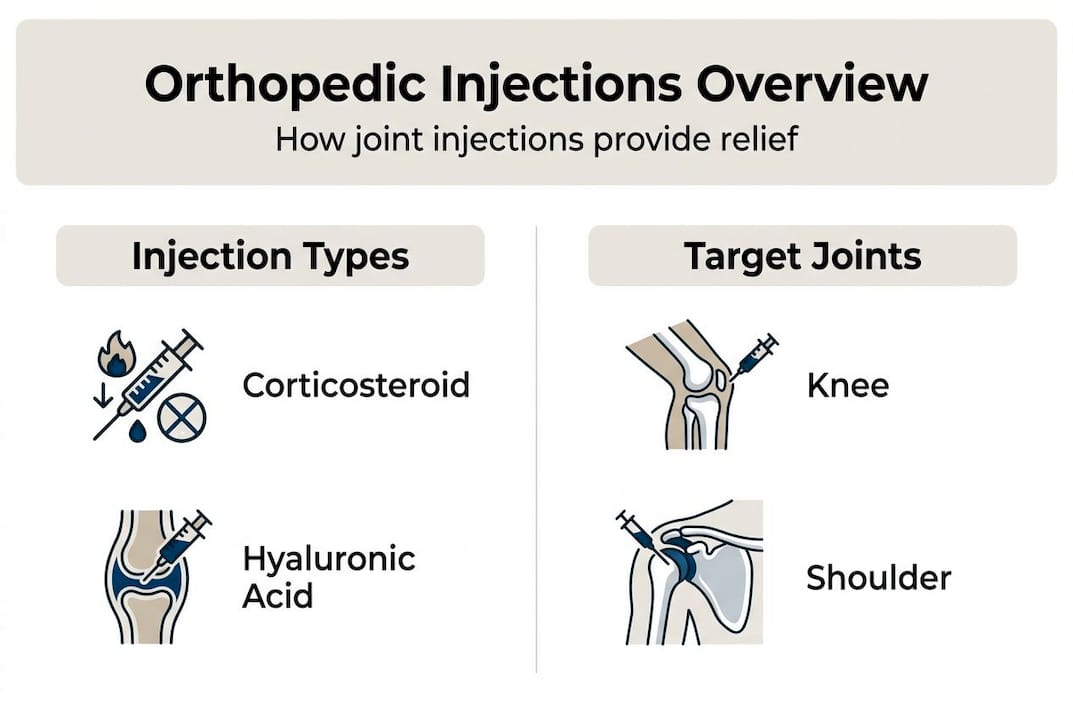
Compared to surgery, injections offer significant advantages in recovery time, risk profile, and cost. You avoid anesthesia complications, surgical site infections, and lengthy rehabilitation periods. Many patients find injections provide sufficient relief to maintain active lifestyles without progressing to more invasive interventions.
Pro Tip: Keep a pain journal for two weeks before your consultation. Document when pain occurs, its intensity, and what activities trigger it. This information helps your orthopedic specialist determine which injection type will deliver the best results for your specific pattern of symptoms.
Clinical evidence and effectiveness of orthopedic injections
Research consistently demonstrates that orthopedic injections deliver measurable improvements in pain levels and joint function. Multiple studies tracking patient outcomes show significant benefits across various injection types and joint locations. Clinical studies demonstrate significant pain relief and improved joint function after orthopedic injection treatments, with many patients reporting sustained improvements lasting months or even years.
A comprehensive analysis of corticosteroid injection outcomes found that approximately 70% of patients with osteoarthritis experienced meaningful pain reduction within one week of treatment. For hyaluronic acid injections in knee osteoarthritis, clinical trials show pain scores decreasing by 30 to 50% over three to six months. PRP injections demonstrate particularly impressive results for tendon injuries, with success rates exceeding 80% for conditions like tennis elbow and patellar tendinopathy.
| Treatment type | Average pain reduction | Functional improvement | Duration of relief |
|---|---|---|---|
| Corticosteroid injections | 40-60% | Moderate to significant | 6-12 weeks |
| Hyaluronic acid | 30-50% | Moderate | 3-6 months |
| PRP injections | 50-70% | Significant | 6-12 months |
| Stem cell therapy | 40-65% | Moderate to significant | 12+ months |
Perhaps most compelling is evidence that injection therapy can delay or eliminate the need for surgery. Orthopedic injections have proven benefits in delaying or avoiding surgery in many patients, particularly when combined with physical therapy and activity modification. Studies of knee osteoarthritis patients show that those receiving regular hyaluronic acid injections postponed total knee replacement by an average of two to three years compared to patients using only oral pain medications.
Comparative effectiveness research reveals important distinctions between injection types. While corticosteroids excel at rapid symptom relief, their anti-inflammatory effects can potentially slow tissue healing if overused. Conversely, orthobiologic treatments like PRP may cause temporary increased discomfort as they stimulate inflammatory healing responses, but they promote actual tissue regeneration rather than just masking symptoms.
“The shift toward regenerative injection therapies reflects our growing understanding that optimal joint care involves not just pain management, but actively supporting the body’s healing mechanisms. When we combine targeted injections with appropriate rehabilitation, patients often achieve outcomes that previously required surgical intervention.”
Long-term safety data provides additional reassurance. Serious complications from orthopedic injections remain rare, occurring in less than 1% of procedures. The most common side effects include temporary injection site soreness, minor bruising, and occasional vasovagal reactions. Infection risk stays extremely low when proper sterile technique is followed, typically less than 0.1% of cases.
Comparing orthopedic injections to other joint pain treatments
Understanding how injections compare to surgery and physical therapy helps you make informed decisions about your treatment path. Each approach offers distinct advantages depending on your condition severity, lifestyle needs, and recovery goals. Orthopedic injections often serve as less invasive alternatives or complements to surgery and physical therapy in joint pain management.
| Treatment approach | Invasiveness | Recovery time | Pain relief speed | Tissue repair | Best for |
|---|---|---|---|---|---|
| Orthopedic injections | Minimal | 1-7 days | Hours to weeks | Moderate to high | Mild to moderate damage, inflammation |
| Physical therapy | None | Ongoing | Weeks to months | Moderate | Muscle imbalances, mobility issues |
| Arthroscopic surgery | Moderate | 2-6 weeks | Days to weeks | High | Structural damage, mechanical problems |
| Joint replacement | High | 3-6 months | Weeks to months | Complete | Severe arthritis, joint failure |
Injections shine when you need faster relief than therapy alone provides but want to avoid surgical risks and downtime. They work particularly well for inflammatory conditions, early-stage arthritis, and soft tissue injuries that haven’t responded adequately to conservative care. Many orthopedic specialists use injections as a diagnostic tool, since significant pain relief after injection confirms the targeted joint as the primary pain source.
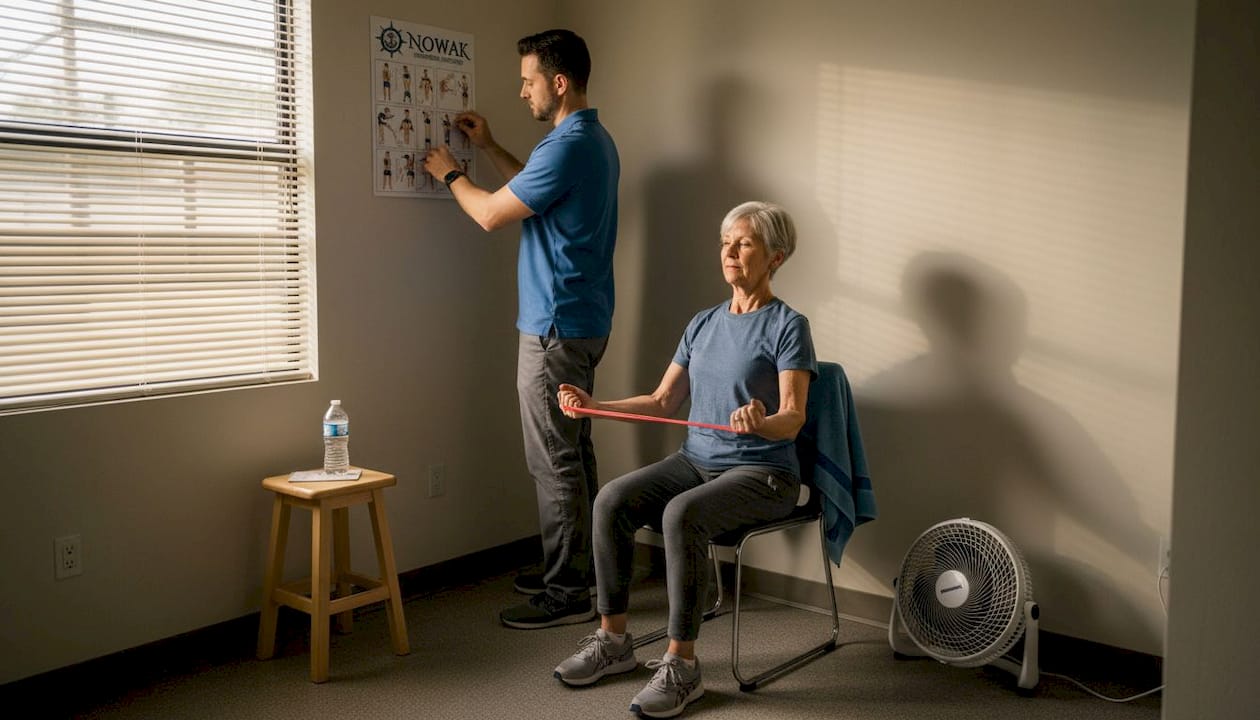
Physical therapy remains foundational to joint health, addressing muscle weakness, movement patterns, and flexibility limitations that contribute to joint stress. The combination of physical therapy with injection treatments often produces superior outcomes compared to either approach alone. Injections reduce pain enough to allow more effective therapy participation, while therapy strengthens supporting structures to prolong injection benefits.
Surgery becomes necessary when structural damage exceeds what conservative treatments can address. Torn ligaments, significant cartilage defects, unstable joints, and advanced arthritis typically require surgical repair or replacement. However, optimizing your condition with injections and therapy before surgery can improve surgical outcomes and speed post-operative recovery.
Several factors influence which treatment path makes sense:
- Severity and type of joint damage revealed through imaging studies
- Your activity level, occupation, and specific functional goals
- Previous treatment responses and overall health status
- Timeline considerations for returning to work or sports
- Personal preferences regarding invasiveness and recovery commitment
Pro Tip: Don’t view these treatments as mutually exclusive. The most successful joint care often involves strategic sequencing. Start with the least invasive effective option, then progress to more aggressive interventions only if needed. This approach preserves your surgical options while maximizing your chances of avoiding them entirely.
Practical applications: when and how orthopedic injections are used
Determining if you’re a good candidate for orthopedic injections starts with comprehensive evaluation by an orthopedic specialist. Your doctor will review your medical history, perform a physical examination, and analyze imaging studies like X-rays or MRI scans to understand your joint condition. This assessment identifies the specific pathology causing your symptoms and whether injection therapy can effectively address it.
Ideal candidates typically present with:
- Persistent joint pain despite rest, activity modification, and oral medications
- Inflammation confirmed through physical examination or imaging
- Sufficient remaining cartilage and joint space for injections to benefit
- Realistic expectations about potential outcomes and treatment timelines
- Willingness to participate in complementary rehabilitation when recommended
The injection procedure itself follows a standardized protocol designed for safety and accuracy. Here’s what you can expect:
- Your skin over the injection site is thoroughly cleaned with antiseptic solution
- The doctor may apply a topical anesthetic to minimize discomfort
- Using anatomical landmarks or imaging guidance, the needle is positioned precisely within the joint space or around targeted tissues
- The therapeutic substance is slowly injected, sometimes with slight pressure sensation
- The needle is removed and a small bandage applied to the injection site
Most procedures take just 5 to 10 minutes from preparation to completion. You’ll likely feel pressure during injection but rarely significant pain. Some patients describe a brief burning sensation, particularly with corticosteroid injections, which quickly subsides.
Post-injection care optimizes your results and minimizes complications:
- Rest the injected joint for 24 to 48 hours, avoiding strenuous activities
- Apply ice for 15 minutes several times daily if swelling or soreness occurs
- Take over-the-counter pain relievers if needed, avoiding NSAIDs after PRP or stem cell injections for two weeks
- Begin gentle range-of-motion exercises as directed by your provider
- Attend follow-up appointments to monitor progress and adjust treatment plans
Relief duration varies by injection type and individual factors. Corticosteroid injections typically provide 6 to 12 weeks of benefit. Hyaluronic acid effects may last 3 to 6 months. Orthobiologic injections are integrated into personalized treatment plans for adults and athletes, with PRP and stem cell treatments potentially delivering 6 to 12 months or longer of improvement as tissues heal.
Treatment frequency depends on your response and injection type. Corticosteroid injections are generally limited to 3 to 4 per year in any single joint to avoid potential cartilage damage. Hyaluronic acid may be given as a series of 3 to 5 weekly injections, then repeated annually. Orthobiologic treatments often involve 1 to 3 injections spaced weeks apart, with maintenance treatments as needed.
Pro Tip: Before your consultation, prepare questions about expected timelines, activity restrictions, and signs of complications requiring immediate attention. Ask specifically how injection therapy fits into your overall treatment strategy and what benchmarks will determine if additional interventions become necessary. This conversation ensures you and your doctor share the same goals and expectations.
Explore expert orthopedic care and advanced treatments at Nowak Orthopedic Associates
If you’re experiencing joint pain or recovering from an injury, specialized orthopedic care can make the difference between prolonged discomfort and restored mobility. Nowak Orthopedic Associates in Hampton, NH, offers comprehensive evaluation and advanced injection therapies tailored to your specific condition. Dr. Roger B. Nowak and his team combine decades of orthopedic expertise with cutting-edge regenerative treatments to help patients avoid surgery when possible and optimize outcomes when surgery becomes necessary.
Our practice provides the full spectrum of injection options, from traditional corticosteroid treatments to advanced orthobiologic injections including PRP therapy and regenerative medicine protocols. We create individualized treatment plans for athletes and active adults that integrate injections with physical therapy, activity modification, and when needed, minimally invasive surgical procedures. Whether you’re dealing with arthritis, sports injuries, or chronic joint pain, our orthopedic services focus on restoring your function and getting you back to the activities you love. Schedule a consultation today to explore how targeted injection therapy can support your recovery journey.
Frequently asked questions about orthopedic injections
What are orthopedic injections?
Orthopedic injections are targeted treatments that deliver therapeutic substances directly into or around joints to reduce pain, decrease inflammation, and promote tissue healing. These minimally invasive procedures include various types such as corticosteroids, hyaluronic acid, platelet-rich plasma, and stem cell therapies. Each injection type addresses specific aspects of joint dysfunction, from rapid symptom relief to long-term tissue regeneration. Your orthopedic specialist selects the most appropriate injection based on your diagnosis, symptoms, and treatment goals.
How long does relief from orthopedic injections last?
Relief duration varies significantly depending on the injection type and your individual condition. Corticosteroid injections typically provide 6 to 12 weeks of benefit, while hyaluronic acid effects often last 3 to 6 months. Regenerative treatments like PRP or stem cell injections may deliver 6 to 12 months or longer of improvement as they actively promote tissue healing rather than just masking symptoms. Factors affecting duration include the severity of your joint damage, your activity level, and whether you participate in complementary treatments like physical therapy.
What are common side effects of orthopedic injections?
Most patients experience minimal side effects from orthopedic injections. The most common reactions include temporary soreness at the injection site, minor bruising, and slight swelling that resolves within a few days. Some people report a brief increase in pain, particularly with PRP injections, as the treatment stimulates healing inflammation. Serious complications like infection or allergic reactions occur in less than 1% of procedures when proper sterile technique is followed. Your doctor will review specific risks associated with your chosen injection type during your consultation.
Who is a good candidate for orthopedic injections?
Ideal candidates include adults experiencing persistent joint pain from arthritis, tendon injuries, or inflammatory conditions that haven’t responded adequately to rest and oral medications. You should have sufficient remaining cartilage and joint space for injections to provide benefit, along with realistic expectations about outcomes. Athletes recovering from sports injuries, individuals with early to moderate osteoarthritis, and patients hoping to delay surgery often achieve excellent results. Your orthopedic specialist will evaluate your specific condition through examination and imaging to determine if injection therapy suits your situation.
When should I consider injections versus surgery for joint pain?
Consider injections when you have mild to moderate joint damage, inflammatory conditions, or soft tissue injuries that conservative treatments haven’t fully resolved. Injections work well when you want to avoid surgical risks and lengthy recovery periods while still achieving meaningful symptom relief. Surgery becomes necessary for severe structural damage like completely torn ligaments, advanced arthritis with bone-on-bone contact, or mechanical joint problems that injections cannot address. Many patients successfully use injection therapy to delay surgery for years, and some avoid it entirely by combining injections with physical therapy and lifestyle modifications.