

Knee pain does not automatically mean you need surgery. Many people in New Hampshire assume that once their knee starts aching, a total knee replacement is inevitable. That assumption is worth challenging. Knee joint preservation involves non-surgical and surgical strategies to maintain natural joint structures, delay osteoarthritis progression, and avoid total knee replacement. Whether you are a weekend athlete, a middle-aged professional, or an older adult managing daily discomfort, there are more options available to you than you may realize. This guide walks you through what preservation means, who it helps, and how to access these solutions right here in New Hampshire.
Table of Contents
- What is knee joint preservation?
- Non-surgical approaches to knee joint preservation
- Surgical techniques for preserving the knee joint
- How to choose the right preservation strategy for you
- Long-term outlook: Living well with preserved knee joints
- Preservation expertise for New Hampshire: Next steps
- Frequently asked questions
Key Takeaways
| Point | Details |
|---|---|
| Preservation alternatives | Knee joint preservation offers options beyond surgery to maintain joint health. |
| Tailored strategies | Non-surgical and surgical approaches are customized to your age, activity, and condition. |
| Delay knee replacement | Effective preservation methods can postpone or even avoid total knee replacement. |
| Local expertise | New Hampshire adults have access to specialized joint preservation care. |
What is knee joint preservation?
Knee joint preservation is a broad term for any approach that protects the natural structures of your knee. The goal is to slow or stop the breakdown of cartilage, bone, and surrounding tissue before damage becomes severe enough to require a full replacement. Think of it as maintaining the original parts of your knee rather than swapping them out.
Preservation is relevant for athletes, middle-aged individuals, and elderly with mild arthritis alike. That is a wide range of people, and it reflects how flexible these strategies can be. You do not have to be young or athletic to benefit.
Here is who typically qualifies for a preservation-focused approach:
- Athletes dealing with meniscal tears or ligament injuries who want to return to sport
- Middle-aged adults experiencing early cartilage degeneration before arthritis becomes advanced
- Older adults with mild to moderate arthritis who want to delay or avoid surgery
- Anyone who has been told surgery is their only option but wants a second opinion
Exploring your knee treatment options early gives you the best chance of keeping your natural joint intact. Understanding osteoarthritis basics is also a helpful starting point, since most preservation strategies are designed to slow exactly that process. The OSU knee preservation guide also outlines how these strategies are applied across different patient profiles.
Non-surgical approaches to knee joint preservation
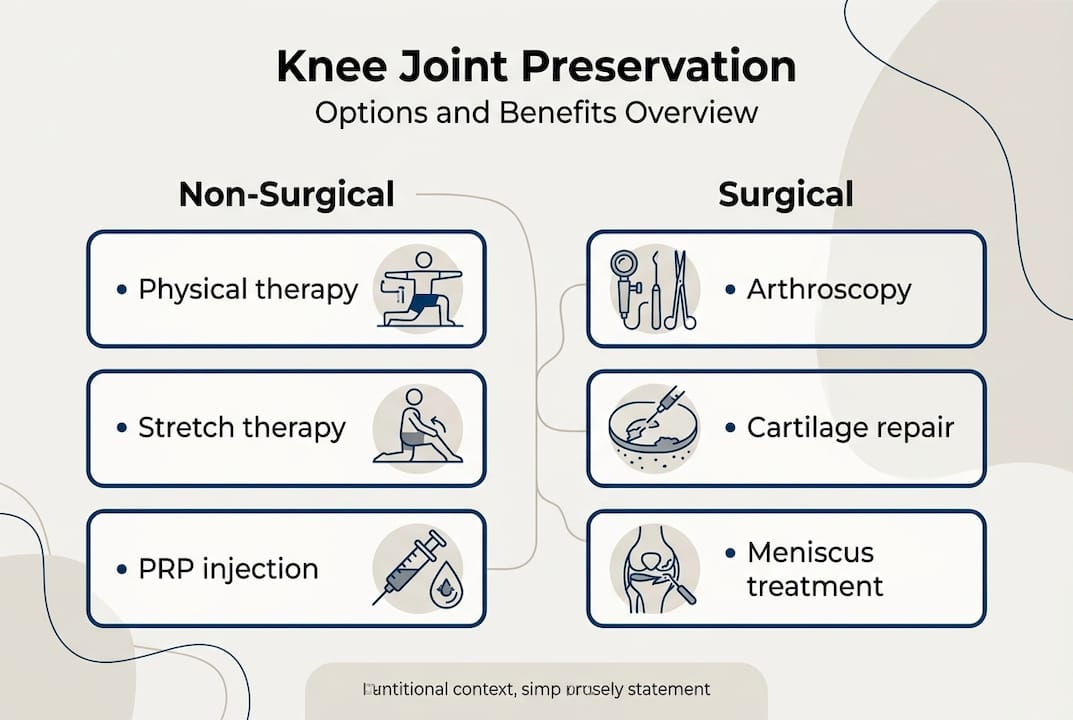
Non-surgical strategies are a first line of defense for joint preservation, and they have become increasingly effective over the past decade. Before considering any procedure, most orthopedic specialists will explore these options with you.
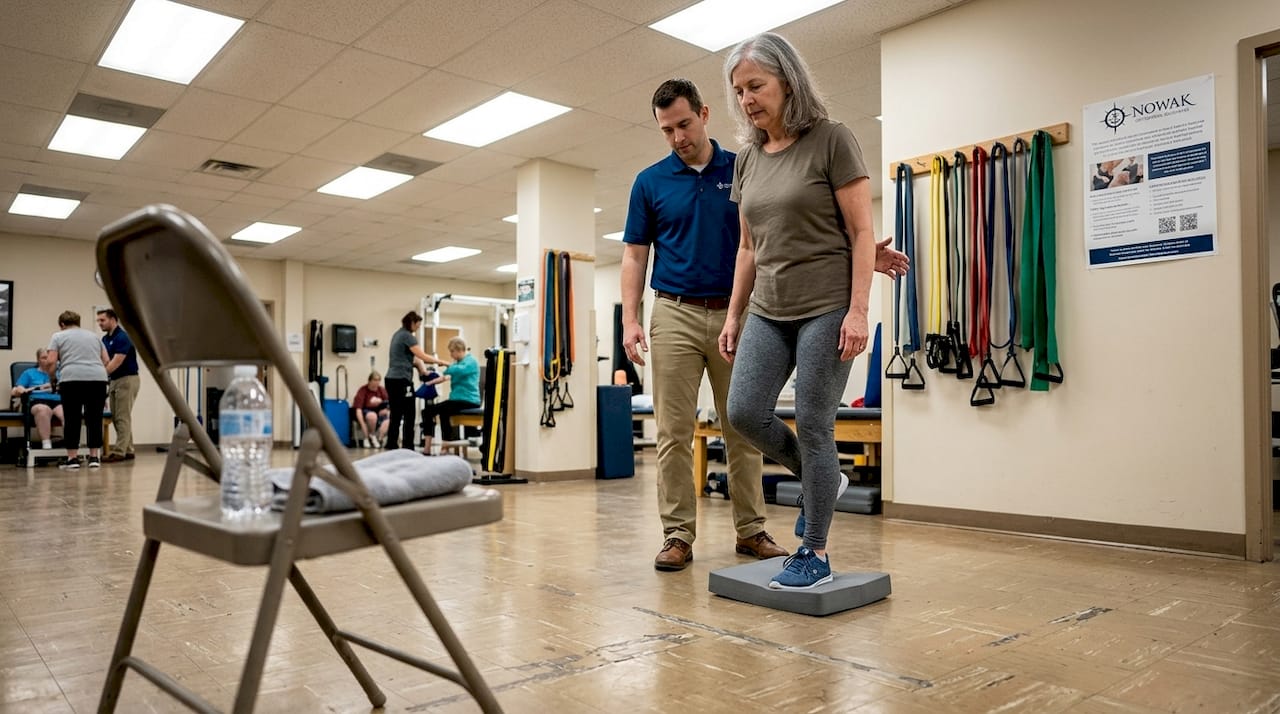
Physical therapy and rehabilitation are foundational. Strengthening the muscles around your knee reduces the load placed on the joint itself. A structured program can meaningfully reduce pain and improve function, often without any injections or procedures.
Orthobiologic injections represent one of the most exciting advances in non-surgical care. Platelet-rich plasma (PRP) uses concentrated growth factors from your own blood to stimulate healing in damaged tissue. These orthobiologic treatments are particularly useful for patients with early cartilage wear or chronic inflammation.
SoftWave therapy is another non-invasive option that uses acoustic waves to reduce inflammation and promote tissue regeneration. It requires no needles and no downtime, making it appealing for patients who want to stay active during treatment.
Guided stretch therapy targets joint mobility and muscle flexibility. When combined with strengthening exercises, stretch therapy can restore a surprising amount of functional range of motion.
Here is a quick comparison of common non-surgical options:
| Treatment | Best for | Recovery time | Invasiveness |
|---|---|---|---|
| Physical therapy | Muscle weakness, early arthritis | Ongoing | None |
| PRP injections | Cartilage wear, inflammation | 1 to 2 days rest | Minimal |
| SoftWave therapy | Chronic pain, tissue repair | None | None |
| Guided stretch therapy | Stiffness, mobility loss | None | None |
Pro Tip: Starting physical therapy early, even before pain becomes severe, can significantly slow the progression of cartilage breakdown and reduce your chances of needing surgery later.
Surgical techniques for preserving the knee joint
When non-surgical options are not enough, minimally invasive surgical procedures can still preserve your natural knee. These are not replacements. They are repairs.
Both non-surgical and surgical strategies seek to maintain natural joint structures and delay osteoarthritis progression. The key distinction is that preservation surgery works with your existing anatomy rather than replacing it.
Here are the most common surgical preservation techniques:
- Knee arthroscopy uses small incisions and a camera to diagnose and treat damage inside the joint. It is often used to repair torn menisci or remove loose cartilage fragments.
- Cartilage restoration (OATS) transplants healthy cartilage from one area of your knee to fill a damaged spot. This is particularly effective for younger patients with isolated cartilage defects.
- Tibial tubercle osteotomy realigns the kneecap to reduce pressure on damaged cartilage. It is often combined with cartilage restoration for better long-term outcomes.
- Unicompartmental knee arthroplasty (partial knee replacement) replaces only the damaged portion of the knee, preserving healthy bone and tissue on the other side.
Minimally invasive preservation surgery typically means shorter hospital stays, faster recovery, and lower complication rates compared to total knee replacement.
Learning more about minimally invasive surgery can help you understand what to expect from these procedures. You can also review a knee arthroscopy overview](https://www.nowakorthopedics.com/2026/03/25/shoulder-vs-knee arthroscopy procedures recovery guide/) to compare how different arthroscopic approaches work. The [surgical preservation evidence from major orthopedic centers supports these techniques as effective alternatives to full replacement in appropriate candidates.
How to choose the right preservation strategy for you
Choosing the right approach depends on your specific situation. There is no single answer that works for everyone, and that is actually good news. It means your care can be tailored to your life.
Here is a practical framework for thinking through your options:
- Identify your pain type. Is it acute (sudden injury) or chronic (gradual onset)? Injury-related pain often responds well to targeted procedures, while chronic pain may benefit more from a combination of therapies.
- Consider your age and activity level. A 35-year-old runner has different goals than a 68-year-old who wants to walk comfortably. Both can benefit from preservation, but the specific approach will differ.
- Review your joint health history. Prior injuries, previous surgeries, and imaging results all shape which options are realistic for you.
- Set long-term goals. Do you want to return to sport? Avoid surgery entirely? Reduce daily pain? Your goals should drive the conversation with your specialist.
Preservation is applicable to athletes with meniscal or ligament injuries, middle-aged adults with early cartilage degeneration, and elderly patients with mild arthritis. A thorough knee evaluation with imaging and a physical exam gives your provider the information needed to recommend the right path. If injections are part of your plan, reviewing your biologic injection options ahead of time helps you ask better questions during your appointment.
Pro Tip: Bring a written list of your symptoms, activity limitations, and goals to your first orthopedic appointment. Specialists can build a more accurate treatment plan when they understand what matters most to you.
Long-term outlook: Living well with preserved knee joints
Preservation is not a one-time fix. It is an ongoing commitment to your joint health. The good news is that with the right habits and follow-up care, many people maintain strong function for years after starting a preservation program.
Joint preservation can prolong natural joint health and delay or avoid total knee replacement in a meaningful way. Some patients delay replacement by a decade or more. Others avoid it entirely.
Here is what supports long-term success:
- Maintain a healthy weight. Every extra pound adds roughly four pounds of pressure to your knee joint during walking. Even modest weight loss makes a real difference.
- Stay active with low-impact exercise. Swimming, cycling, and walking preserve joint mobility without excessive wear.
- Avoid overstraining. High-impact activities like running on hard surfaces or heavy squatting can accelerate cartilage breakdown, especially after a preservation procedure.
- Schedule routine follow-up visits. Regular check-ins with your orthopedic provider allow for early detection of any changes and timely adjustments to your plan.
Reviewing procedure outcomes](https://www.nowakorthopedics.com/2026/03/16/joint procedure examples options outcomes 2026/) can give you a realistic picture of what to expect over time. Staying consistent with [rehabilitation tips from your care team is equally important for sustaining the gains you make early in treatment.
Pro Tip: Low-impact cross-training, such as water aerobics or cycling, keeps your supporting muscles strong without putting repetitive stress on your knee. This is one of the most effective long-term habits for preserved joints.
Preservation expertise for New Hampshire: Next steps
If you are a New Hampshire resident dealing with knee pain, you have access to advanced preservation care without traveling far. At Nowak Orthopedic Associates in Hampton, NH, Dr. Roger B. Nowak and his team offer a full range of preservation-focused treatments, from orthobiologic care like PRP and SoftWave therapy to minimally invasive surgical procedures including OATS cartilage restoration and partial knee replacement. Whether you are an athlete recovering from a meniscal injury or an older adult managing early arthritis, we build individualized plans around your goals. Explore sports injury solutions designed for active patients, or visit Nowak Orthopedic Associates to schedule a consultation and take the first step toward protecting your knee for the long term.
Frequently asked questions
What is the difference between knee joint preservation and knee replacement?
Preservation keeps your natural knee structures intact using non-surgical or minimally invasive surgical methods, while replacement removes the joint entirely and implants an artificial one. Preservation is typically considered first when the joint damage is not yet severe.
Can joint preservation work for older adults with mild arthritis?
Yes. Many elderly patients with mild arthritis respond well to preservation treatments such as PRP injections, physical therapy, and SoftWave therapy, often delaying or avoiding surgery for years.
Are orthobiologic injections safe for athletes?
Orthobiologic injections are well-tested and commonly used for athletes with ligament or meniscal injuries, with a strong safety profile and minimal downtime compared to surgical alternatives.
How long can joint preservation delay knee replacement?
With consistent care and healthy habits, preservation approaches can extend your knee’s natural function by years or even decades, depending on the severity of your condition and how early treatment begins.
Should I see an orthopedic specialist before choosing a preservation method?
Absolutely. A specialist evaluation with imaging ensures your preservation strategy fits your actual diagnosis, activity level, and long-term health goals rather than a generic protocol.