

If you’re dealing with chronic joint pain or a nagging sports injury, you may assume surgery is the only real solution left. That assumption is changing fast. Orthobiologics are biologically derived substances used to treat joint pain and musculoskeletal injuries, and they’re giving patients in New Hampshire a genuine non-surgical path forward. This guide breaks down what orthobiologics are, how they work, what the evidence says, and who stands to benefit most.
Table of Contents
- What are orthobiologics?
- How orthobiologics heal joints and tissues
- Types of orthobiologics and how they’re given
- Do orthobiologics work? Evidence, safety, and guidelines
- Who benefits most and what’s next for orthobiologics?
- Perspective: What most articles miss about orthobiologics
- Explore orthobiologic and advanced orthopedic care options
- Frequently asked questions
Key Takeaways
| Point | Details |
|---|---|
| Non-surgical solution | Orthobiologics offer biologically derived options for joint pain and sports injuries that may help you avoid surgery. |
| Multiple treatment types | Options like PRP, BMAC, and stem cells can be tailored to your condition and activity level. |
| Evidence-driven results | Orthobiologics show promise for mild-moderate joint problems, but are not a cure-all—expert selection matters. |
| Future innovations | Personalized protocols and integration with physical therapy are making orthobiologics even more effective. |
What are orthobiologics?
Orthobiologics are treatments made from substances found naturally in your own body, or from carefully processed biological sources. The goal is to concentrate healing agents and deliver them directly to injured or damaged tissue. Instead of masking pain with medication, these therapies aim to stimulate actual repair.
Common types include:
- Platelet-rich plasma (PRP): A concentration of platelets drawn from your own blood, rich in growth factors that signal tissue repair.
- Bone marrow aspirate concentrate (BMAC): Cells drawn from bone marrow that contain stem cells and growth factors capable of regenerating damaged tissue.
- Mesenchymal stem cells: Specialized cells that can differentiate into cartilage, bone, or tendon tissue depending on the environment they’re placed in.
These therapies are used to address a wide range of conditions, including knee and hip osteoarthritis, tendon and ligament injuries, cartilage damage, and sports injuries. What makes them exciting is that they’re typically outpatient procedures, meaning no hospital stay and far less recovery time compared to surgery.
“Orthobiologics represent a shift in how we approach musculoskeletal healing. Rather than replacing tissue or removing it, we’re asking the body to repair itself with a little well-placed assistance.”
If you’re curious whether you’re a good candidate, learning more about orthobiologic injections is a helpful starting point.
How orthobiologics heal joints and tissues
The science behind orthobiologics centers on your body’s natural repair signals. When you’re injured, your body sends growth factors, cytokines, and specialized cells to the site to begin healing. The problem is that some tissues, like cartilage, have very limited blood supply and heal slowly or incompletely on their own.
Orthobiologics work by concentrating growth factors, cytokines, and cells to injury sites to drive healing at a much higher level than your body could manage alone. This process can reduce inflammation, stimulate cartilage and tendon regeneration, and help modulate the immune response to prevent further damage.
| Biological action | What it does for you |
|---|---|
| Growth factor delivery | Signals cells to begin repair and regeneration |
| Inflammation reduction | Decreases pain and swelling in the joint |
| Immune modulation | Slows the breakdown of cartilage and soft tissue |
| Stem cell recruitment | Encourages new tissue formation at the injury site |
The patients who tend to respond best include:
- Adults with mild to moderate osteoarthritis
- Athletes recovering from tendon or ligament injuries
- Active adults who want to avoid or delay surgery
- Patients who haven’t found lasting relief from steroid injections
Pro Tip: Ask your provider whether ultrasound or fluoroscopic guidance will be used during your injection. Image-guided delivery significantly improves accuracy and outcomes compared to unguided injections.
For many patients, PRP injections are the first orthobiologic therapy tried, often with meaningful results for knee and shoulder conditions.
Types of orthobiologics and how they’re given
Understanding how these therapies are prepared and delivered helps set realistic expectations. All three major types share one important trait: they’re autologous, meaning they come from your own body, which reduces rejection risk significantly.
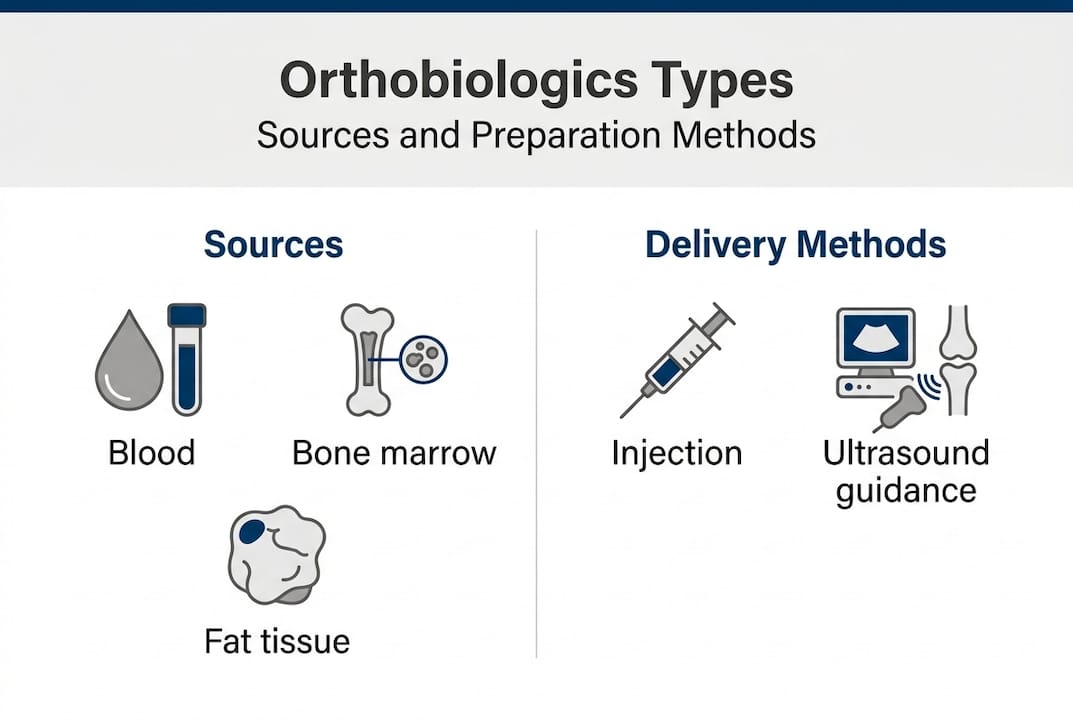
Here’s how the most common orthobiologics compare:
| Treatment | Source | Preparation time | Best suited for |
|---|---|---|---|
| PRP | Blood draw | 30-45 minutes | Tendon injuries, mild OA |
| BMAC | Bone marrow | 45-60 minutes | Moderate OA, cartilage damage |
| Stem cell therapy | Bone marrow or fat | 60-90 minutes | Cartilage, ligament repair |
Here’s what a typical orthobiologic treatment visit looks like:
- Blood draw or bone marrow aspiration: A small sample is collected from your arm or hip area.
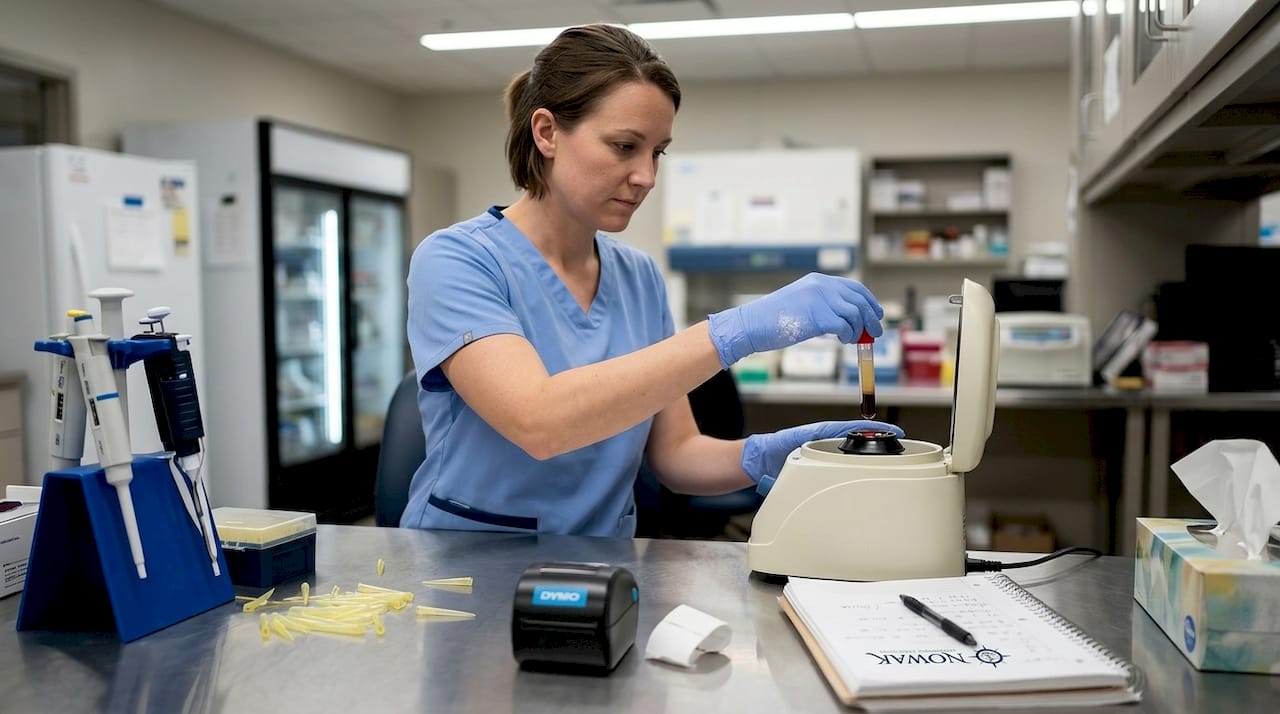
- Centrifuge processing: The sample is spun in a machine that separates and concentrates the healing components.
- Image-guided injection: Using ultrasound or fluoroscopy, the concentrated material is precisely injected into the target joint or tissue.
- Post-injection guidance: You’ll receive instructions on activity restrictions and follow-up timing.
- Follow-up visits: Most protocols involve 1 to 3 injections spaced weeks apart, with reassessment at 2 to 3 months.
Pro Tip: Avoid anti-inflammatory medications like ibuprofen in the days before and after your injection. These drugs can blunt the inflammatory response that orthobiologics rely on to trigger healing.
For more context on how orthopedic injection methods differ and when each is appropriate, reviewing your options with a specialist makes a real difference.
Do orthobiologics work? Evidence, safety, and guidelines
The clinical evidence for orthobiologics is growing, and the results are encouraging, particularly for certain conditions and patient profiles.
Key findings from recent research include:
- PRP shows effectiveness for short-term knee osteoarthritis pain relief and improved function compared to steroids and hyaluronic acid injections.
- BMAC has shown utility across multiple grades of osteoarthritis, not just early-stage cases.
- Three-injection regimens tend to produce better outcomes than single injections.
- Survivorship data suggests that orthobiologic treatment may delay or reduce the need for joint replacement in some patients.
“The evidence supports orthobiologics as a meaningful option for mild to moderate osteoarthritis, but outcomes vary based on patient selection, preparation method, and injection technique.”
That said, guidelines from major orthopedic organizations add important context. The AAHKS position on biologics does not recommend these therapies for advanced hip or knee osteoarthritis, and notes that cost variability and inconsistent preparation standards remain concerns. For mild to moderate cases, however, there is growing support for their use as part of a broader treatment plan.
Safety profiles are generally favorable. Because most orthobiologics use your own tissue, serious adverse reactions are rare. Temporary soreness at the injection site is the most common side effect. Reviewing joint procedure outcomes can help you understand what realistic recovery looks like.
Who benefits most and what’s next for orthobiologics?
Not every patient is the right fit for orthobiologic therapy, and that’s an important truth to acknowledge. Patient-specific factors, combined care, and future personalization will define success in this field going forward.
Patients most likely to benefit include:
- Adults in early to moderate stages of osteoarthritis, before significant joint space loss
- Athletes with tendon, ligament, or cartilage injuries who want to return to activity
- Patients who want to avoid or postpone joint replacement surgery
- Individuals who have plateaued with physical therapy or conventional injections alone
Personalized protocols are becoming the standard. Stratifying patients by age, OA grade, activity level, and biological markers helps providers predict who will respond well. This isn’t one-size-fits-all medicine anymore.
Looking ahead, the field is moving toward AI-driven treatment planning, biomarker testing to predict response, and tighter standardization of preparation methods. These advances will make outcomes more predictable and consistent.
Pairing orthobiologics with active rehabilitation is critical. Adding guided stretch therapy to your recovery plan helps restore range of motion and reinforce the tissue repair that orthobiologics initiate. Similarly, sports medicine support ensures that athletes recover with proper biomechanical guidance, not just biological stimulation.
Perspective: What most articles miss about orthobiologics
A lot of content about orthobiologics reads like a highlight reel. It focuses on the most promising results and skips the nuance. The honest truth is that these therapies work best when the right patient gets the right treatment at the right time, supported by real rehabilitation.
We’ve seen patients come in expecting a single injection to erase years of joint wear. That’s not how it works. Progress is steady, not sudden. The patients who do best are those who commit to the full protocol and pair their injections with active recovery.
Orthobiologics are a powerful tool, but they’re one part of a larger plan. Reviewing joint pain injection results alongside your provider helps set expectations that lead to real, lasting improvement.
Explore orthobiologic and advanced orthopedic care options
If you’re ready to explore non-surgical options for joint pain or a sports injury, Nowak Orthopedic Associates in Hampton, NH is here to help. Our team offers personalized evaluation and access to orthobiologic injection services, a dedicated regenerative clinic, and specialized sports medicine care. Dr. Roger B. Nowak and our team will guide you through every step, from diagnosis to recovery, with a treatment plan built around your goals and your body.
Frequently asked questions
Are orthobiologics safe for everyone?
Orthobiologics are generally well tolerated, but safety and patient selection are critical factors. Your provider will evaluate your health history, OA severity, and treatment goals before recommending a specific therapy.
How long does it take to feel better after orthobiologic therapy?
Most patients notice gradual improvement within a few weeks, with best effects typically seen at the 2 to 3 month mark depending on the condition being treated and the number of injections in the protocol.
Can orthobiologics cure osteoarthritis or sports injuries?
Orthobiologics are not a permanent cure. AAHKS and AAOS guidance classifies them as adjunctive therapy for mild to moderate cases, not a curative treatment for advanced joint degeneration.
How much do orthobiologic treatments cost?
Costs vary depending on the type of therapy and the number of injections needed. Cost and variability remain barriers for some patients, and insurance coverage is limited, so it’s best to discuss pricing directly with your provider.