

TL;DR:
- Shoulder arthroscopy is a minimally invasive procedure that treats various shoulder conditions through tiny incisions.
- It offers benefits like reduced pain, quicker recovery, less scarring, and lower complication risks than open surgery.
- Candidate suitability depends on confirmed structural injuries, failure of conservative treatments, and overall health.
Not every shoulder problem requires a large incision, weeks in a sling, or months away from the activities you love. Many New Hampshire adults living with shoulder pain assume that surgery means a major ordeal, but shoulder arthroscopy is changing that picture. This minimally invasive procedure allows surgeons to diagnose and treat a wide range of shoulder conditions through tiny incisions using a small camera and specialized tools. Understanding how it works, what it can fix, and whether it fits your situation is the first step toward making a confident, informed decision about your care.
Table of Contents
- What is shoulder arthroscopy and how does it work?
- Core benefits of shoulder arthroscopy for pain and mobility
- Potential risks and considerations with arthroscopic surgery
- How to determine if shoulder arthroscopy is right for you
- Why experience and context matter most in shoulder arthroscopy
- Next steps: Getting help for shoulder pain in New Hampshire
- Frequently asked questions
Key Takeaways
| Point | Details |
|---|---|
| Minimally invasive benefits | Shoulder arthroscopy reduces pain, recovery time, and scarring compared to open surgery. |
| Risks and candidate factors | Risk of complications is about 8%, and best outcomes depend on patient health and surgeon expertise. |
| Quality of life improvement | Most patients see improved mobility and comfort, enabling more active, independent living. |
| Individualized decision-making | The right choice depends on your injury, overall health, and thorough consultation with a shoulder specialist. |
What is shoulder arthroscopy and how does it work?
Shoulder arthroscopy is a surgical technique where an orthopedic surgeon inserts a small camera called an arthroscope into the shoulder joint through a very small incision, typically less than half an inch. The camera sends live images to a screen, allowing the surgeon to see inside the joint clearly without opening it up. Additional small incisions are made to insert thin surgical instruments that repair or remove damaged tissue.
This approach is fundamentally different from traditional open shoulder surgery, which requires a much larger incision, more cutting through muscle and tissue, and a longer healing process. As arthroscopy clinical overview research confirms, less invasive treatment through arthroscopy reduces trauma to surrounding tissue and generally shortens recovery. You can also explore how shoulder vs knee arthroscopy compares if you are weighing options for multiple joints.
Shoulder arthroscopy can treat a variety of conditions, including:
- Rotator cuff tears (partial or full thickness)
- Labral tears, including SLAP and Bankart lesions
- Shoulder impingement syndrome
- Bone spurs causing pain and limited motion
- Biceps tendon problems and chronic inflammation
| Feature | Open shoulder surgery | Arthroscopic surgery |
|---|---|---|
| Incision size | 3 to 5 inches or more | Less than 0.5 inch |
| Tissue disruption | High | Minimal |
| Hospital stay | Often 1 to 2 days | Usually outpatient |
| Recovery time | 4 to 6 months or longer | Often 1 to 3 months |
| Complication risk | Higher | Lower overall |
This comparison makes clear why arthroscopy has become the preferred approach for many shoulder conditions when surgery is needed.
Core benefits of shoulder arthroscopy for pain and mobility
Once you understand the procedure, the next natural question is: why do so many patients and surgeons prefer it? The benefits go well beyond just a smaller scar.
Pain relief is one of the most immediate and meaningful outcomes. Patients often report a significant drop in shoulder pain within the first few weeks after surgery. Restored mobility follows, allowing people to reach overhead, dress independently, and return to sports or physical work much sooner than they could after open surgery. Research confirms that arthroscopy improves pain, mobility and overall function in active adults, making it especially valuable for those who want to stay engaged in their daily routines.
Studies show that patients undergoing shoulder arthroscopy report meaningful improvements in quality of life scores, with many returning to recreational sports and work activities within two to four months depending on the procedure performed.
Smaller incisions also mean less scarring, lower infection risk, and reduced blood loss during the procedure. Recovery at home is more manageable compared to open surgery, and physical therapy tends to progress more quickly.
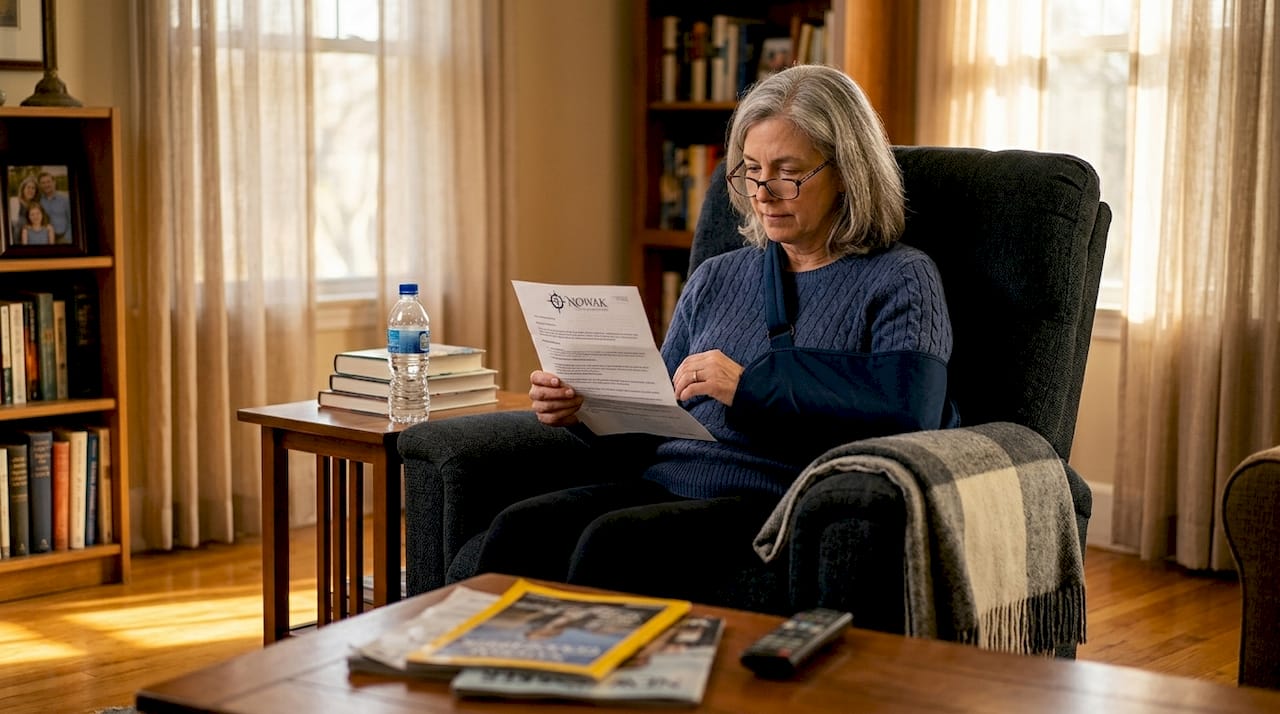
Pro Tip: The surgeon’s experience matters enormously, especially for complex repairs like large rotator cuff tears or revision procedures. Ask specifically how many arthroscopic shoulder surgeries your surgeon performs each year.
Here are some everyday improvements patients commonly experience after shoulder arthroscopy:
- Reaching into overhead cabinets without pain
- Sleeping through the night without shoulder discomfort
- Returning to swimming, tennis, or throwing sports
- Putting on a jacket or shirt without assistance
- Carrying groceries or lifting objects at work
For a broader look at joint pain relief options or to learn more about specific shoulder pain treatments, those resources can help you understand the full range of care available.
Potential risks and considerations with arthroscopic surgery
Being well-informed means understanding both sides. While arthroscopy carries fewer risks than open surgery, it is still a surgical procedure and comes with real considerations.
Research shows the overall complication rate is approximately 7.9%, with post-operative stiffness being the most common issue at around 2.2%. Outcomes can also vary based on tear size, patient age, and overall health. Larger tears and older patients may face longer recovery times and less complete restoration of strength.
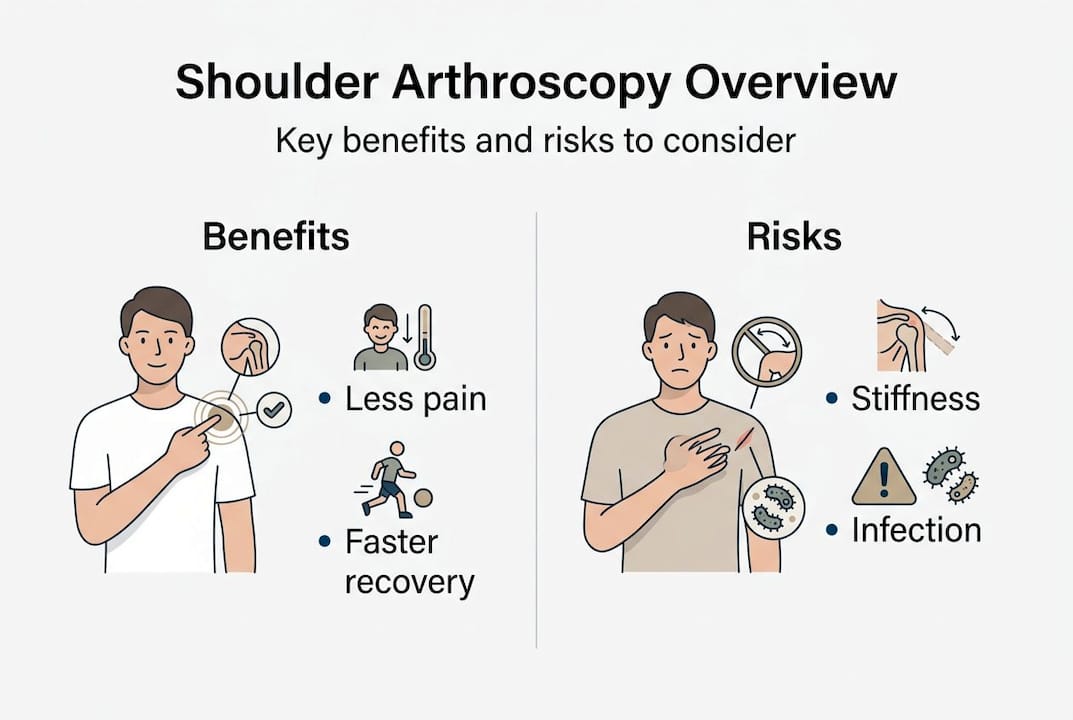
Factors that can affect your recovery include prior shoulder injections, body weight, smoking history, and the presence of conditions like diabetes. Factors affecting recovery research highlights how these variables influence surgical results and should be part of any pre-surgical conversation with your doctor. You can also review joint procedure outcomes for more context on what realistic expectations look like.
Pro Tip: If you have received more than three corticosteroid injections in the same shoulder, discuss this openly with your surgeon. Research suggests this may reduce strength recovery after rotator cuff repair.
Watch for these signs after surgery and contact your doctor if you notice any:
- Increasing redness, warmth, or swelling around the incision
- Fever above 101°F
- Sudden sharp increase in pain not controlled by medication
- Numbness or tingling that spreads down the arm
- Wound drainage that is cloudy or has an odor
| Complication type | Approximate frequency | Notes |
|---|---|---|
| Post-operative stiffness | 2.2% | Most common; responds to physical therapy |
| Infection | Less than 1% | Risk increases with diabetes or smoking |
| Nerve irritation | Rare | Usually temporary |
| Re-tear of repaired tissue | Varies | More likely with large tears or poor tissue quality |
How to determine if shoulder arthroscopy is right for you
Knowing the risks leads to the most important question: is this the right choice for you personally? The answer depends on several factors that go beyond just having shoulder pain.
You may be a strong candidate for shoulder arthroscopy if you have a confirmed structural problem such as a rotator cuff tear or labral injury, if conservative treatments like physical therapy and injections have not provided lasting relief, and if your overall health supports surgery. Active adults who want to return to sports, physical work, or an independent lifestyle often benefit most. Choosing the right intervention depends on age, activity level, injury type, and overall health, which is why a thorough evaluation is essential before any decision is made.
Before meeting with a surgeon, consider asking these questions:
- What specific condition do I have, and has imaging confirmed it?
- Have I genuinely exhausted non-surgical options?
- What does recovery realistically look like for my injury type?
- What is your personal experience with this specific procedure?
- What happens if I choose not to have surgery?
For many patients, non-surgical treatment options like physical therapy, PRP injections, or SoftWave therapy are the right first step. Others may benefit from orthopedic injections for pain before committing to surgery. A good orthopedic specialist will help you weigh all of these paths honestly.
Why experience and context matter most in shoulder arthroscopy
Here is something that rarely gets said plainly: the procedure itself is only part of the equation. Two patients with identical MRI findings can have very different outcomes based on who performs the surgery and how well the treatment plan fits their individual situation.
Surgeon experience, particularly with complex repairs, directly influences results. But equally important is the pre-surgical assessment. Not every patient with a torn rotator cuff needs surgery right away, and not every patient who wants surgery is the best candidate at that moment. The most effective care comes from a thorough, honest evaluation that considers your full picture. Our orthopedic surgeons guide outlines what that process looks like and what questions to ask.
Next steps: Getting help for shoulder pain in New Hampshire
With a clearer understanding of your options and what is really involved, here are next steps if you are ready to get help. At Nowak Orthopedic Associates in Hampton, NH, Dr. Roger B. Nowak offers personalized evaluations to determine whether shoulder arthroscopy or another treatment is right for your specific condition. From minimally invasive procedures to regenerative therapies, every plan is built around your goals and recovery timeline. Connect with our sports medicine experts or review our local orthopedic surgeons guide to take the next step toward lasting shoulder relief.
Frequently asked questions
How long does it take to recover from shoulder arthroscopy?
Most patients regain basic movement within a few weeks, but full strength and function can take three to six months depending on the procedure. Smaller tears recover faster, while larger rotator cuff repairs typically require a longer rehabilitation timeline.
What are the risks of shoulder arthroscopy?
The overall surgical complication rate is about 7.9%, with post-operative stiffness being the most common issue. Serious complications like deep infection or nerve damage are rare but should be discussed with your surgeon.
Who is a good candidate for shoulder arthroscopy?
Active adults with confirmed structural injuries who have not responded to conservative care are often strong candidates. However, age, activity, and injury size all influence whether surgery is the best next step for your specific situation.
Can shoulder arthroscopy help if I’ve had multiple injections?
It may still be an option, but prior injections over three can sometimes reduce strength recovery after rotator cuff repair. Be sure to share your full injection history with your surgeon during the evaluation.