

TL;DR:
- Repetitive bending, twisting, and heavy lifting during yard work cause back pain by overloading the lumbar spine. Proper preparation, lifting techniques, and regular posture resets can prevent most injuries. Seek medical attention promptly if symptoms worsen or neurological signs appear.
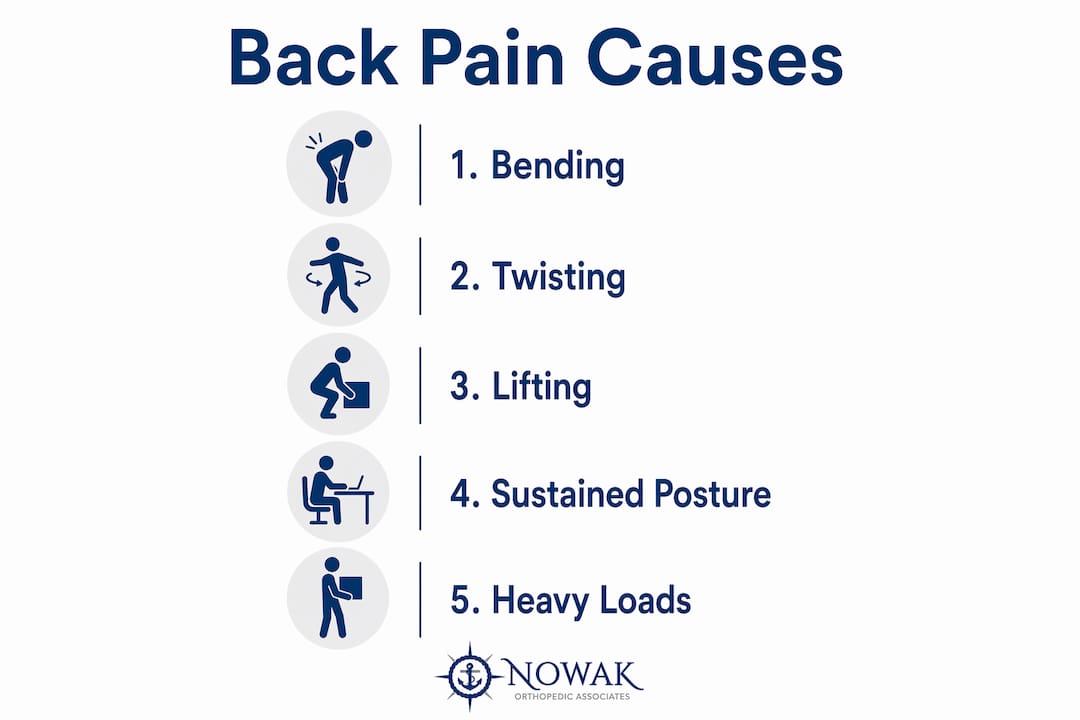
Yard work and summer back pain share a direct cause: repetitive bending, twisting, and lifting that overload the lumbar spine during outdoor maintenance. Tasks like mowing, hauling mulch, and pulling weeds force your lower back into sustained flexion, a position that stresses spinal discs and surrounding muscles far more than most people realize. Cleveland Clinic neurosurgeon Dr. Osama Kashlan and Harvard Health both identify yard work as a leading trigger for summer yard work injuries. The good news is that most of these injuries are preventable with the right preparation and technique.
What biomechanical factors cause back pain during yard work?
Sustained deep bending is the primary driver of back pain after gardening. When you hold a forward-bent posture for extended periods, the lumbar discs and spinal ligaments absorb continuous compressive and tensile load. Over time, this cumulative stress causes micro-fatigue in the muscles that support your spine, and the damage adds up faster than you feel it.
The weight of common garden materials makes this worse. Bags of soil, mulch, and fertilizer typically weigh 40–80 lbs, and most people lift them with a rounded back and a twist. That combination multiplies the force on the lumbar spine well beyond what the muscles alone can safely handle.
One factor that catches many gardeners off guard is delayed pain onset. Symptoms can appear or worsen after you stop working, not during the task itself. Blood flow and adrenaline during activity can mask discomfort, so you feel fine while weeding but wake up stiff and sore the next morning. This delay leads many people to underestimate how much strain they actually accumulated.
The most common yard tasks that trigger back strain include:
- Weeding and planting: Prolonged kneeling or crouching keeps the lumbar spine in deep flexion.
- Mowing: Pushing or pulling a mower involves repetitive forward lean and vibration.
- Hauling soil or mulch: Heavy bag lifts with twisting are among the highest-risk movements.
- Raking and shoveling: Repetitive rotation stresses the discs and facet joints simultaneously.
| Task | Primary Risk | Spine Region Affected |
|---|---|---|
| Weeding | Sustained flexion | Lumbar discs and ligaments |
| Hauling bags | Heavy load plus twist | Lumbar muscles and discs |
| Mowing | Repetitive forward lean | Lower lumbar and sacral |
| Raking | Rotational repetition | Lumbar facet joints |
Pro Tip: Set a timer on your phone for every 30 minutes. When it goes off, stand up, walk a few steps, and reset your posture before returning to work.
How can you prevent back pain during summer yard work?
Prevention is the most effective approach to managing yard-work-related back pain, and it starts before you pick up a single tool. Dr. Kashlan recommends a short warm-up walk combined with light stretching before any gardening session. Five to ten minutes of movement increases blood flow to spinal muscles and reduces the stiffness that makes early-morning yard work particularly risky.
Follow these steps every time you work in the yard:
- Warm up first. Walk briskly for five minutes, then do gentle hip circles and hamstring stretches. Cold muscles fatigue faster and protect the spine less effectively.
- Lift with your hips and legs. Bend at the knees, keep the load close to your body, and use hip and leg muscles to drive the lift. Never jerk a heavy bag upward from a twisted position.
- Keep your back straight. Whether you are planting, raking, or shoveling, avoid abrupt bending and twisting that stress the lumbar region. Use a long-handled tool to reduce how far you have to bend.
- Reset your posture every 30 minutes. Experts recommend standing tall and changing position regularly to prevent spinal overload from repetitive postures.
- Break large tasks into shorter sessions. Spreading a big project across two or three days reduces cumulative spinal loading far more than any single technique adjustment. This is the prevention step most homeowners skip.
- Ask for help with heavy loads. Two people carrying a 60-lb bag of soil share the load and eliminate the need for awkward single-person twisting lifts.
Pro Tip: Use a garden kneeler with handles. It supports your weight during low-level tasks and gives you a push point to stand up without straining your lower back.
What symptoms mean your back pain needs medical attention?

Most back pain after gardening is mechanical strain. It responds to rest, gentle movement, and time. However, certain symptoms signal something more serious that requires prompt evaluation.
Harvard Health identifies these red flags as reasons to seek immediate medical attention:
- Fever combined with back pain
- Unexplained weight loss
- Back pain following a significant fall or trauma
- Loss of bladder or bowel control (incontinence)
Beyond those urgent signs, Dr. Kashlan advises seeing a doctor if your pain does not improve within seven days or if you develop shooting pain down one or both legs, numbness, or muscle weakness. These neurological symptoms suggest nerve involvement, not just muscle strain.
Routine imaging for low back pain is not recommended unless red flags or progressive neurological deficits are present, according to VA/DoD 2026 clinical guidelines. Most uncomplicated cases resolve without X-rays or MRI.
Knowing the difference between common strain and a serious pattern protects you from both under-treating a real injury and over-medicalizing a sore muscle. Review the orthopedic red flags for joint symptoms if you are unsure which category your pain falls into.
What self-care steps help you recover from yard work back pain?
Recovery from yard maintenance back issues works best when you balance rest with gentle movement. Staying completely still for days on end weakens the muscles that support your spine and slows healing. Short walks, even just around the block, keep blood moving to injured tissue without adding load.
Practical self-care steps that support recovery include:
- Ice for the first 48 hours. Apply ice wrapped in a cloth for 15–20 minutes at a time to reduce acute inflammation. Do not apply ice directly to skin.
- Switch to heat after 48 hours. A heating pad on a low setting relaxes muscle spasm and improves circulation to the healing area.
- Gentle core and lower back stretches. Knee-to-chest stretches, cat-cow movements, and pelvic tilts reduce stiffness without loading the spine. These are safe to start within the first day or two.
- Over-the-counter pain relief. Ibuprofen or naproxen reduce both pain and inflammation. Follow package directions and consult your doctor if you have contraindications.
- Physical therapy if pain persists beyond two weeks. A physical therapist can identify movement faults that contributed to your injury and build a targeted strengthening program. For managing lower back pain at home, structured self-care is effective for most mild cases.
If pain is not improving after two to three weeks, or if neurological symptoms appear at any point, an orthopedic consultation is the right next step. Waiting too long to seek care when symptoms are progressing rarely leads to a better outcome.
Key takeaways
Prevention, proper lifting mechanics, and early symptom recognition are the three factors that determine whether yard work causes a minor ache or a serious back injury.
| Point | Details |
|---|---|
| Warm up before every session | A five-minute walk and light stretching reduces muscle fatigue and spinal strain risk. |
| Lift with legs, not your back | Keep loads close, bend at the knees, and avoid twisting to protect lumbar discs. |
| Reset posture every 30 minutes | Standing and shifting position regularly prevents cumulative spinal loading during long tasks. |
| Know the red flags | Shooting leg pain, numbness, weakness, or pain lasting beyond seven days requires medical evaluation. |
| Balance rest with movement | Short walks and gentle stretching during recovery outperform complete bed rest for healing. |
What I’ve learned treating summer back injuries
Every summer, patients come into Nowak Orthopedic Associates with the same story: they felt fine while working, then woke up the next morning unable to stand straight. The delayed pain pattern is real, and it catches people off guard every year.
The mistake I see most often is not the lifting itself. It is the combination of lifting and twisting at the same time, usually because someone is trying to move a heavy bag without repositioning their feet first. That single movement pattern accounts for a disproportionate share of the serious lumbar injuries I treat. Pivot your feet, face the load squarely, and the risk drops dramatically.
The other thing homeowners consistently underestimate is how much a single long session costs them compared to two shorter ones. Spreading a big yard project across two days is not laziness. It is the single most protective thing you can do for your spine, and it costs you nothing. Respect your physical limits now, and you will be gardening comfortably for years to come.
— Dr. Roger Nowak
Orthopedic care for persistent back pain at Nowak Orthopedic Associates
If your back pain from yard work is not resolving with self-care, Nowak Orthopedic Associates in Hampton, NH is here to help. Board-certified orthopedic surgeon Dr. Roger B. Nowak and his team provide individualized evaluations to identify the exact source of your pain. Treatment options range from physical therapy and targeted injections to regenerative therapies like PRP and SoftWave therapy, all designed to reduce pain and restore function without surgery when possible. For patients who need more advanced care, the practice offers a full range of orthopedic procedures for joint pain and minimally invasive surgical options. Schedule your first visit to get a clear diagnosis and a plan that fits your life.
FAQ
What causes back pain after gardening?
Sustained bending, twisting, and heavy lifting during yard work overload the lumbar discs and muscles. Pain often appears or worsens after activity ends due to delayed onset from muscle fatigue and blood flow changes.
How long should yard work back pain last before seeing a doctor?
See a doctor if pain does not improve within seven days, or sooner if you develop shooting leg pain, numbness, or weakness. These neurological symptoms indicate nerve involvement and need prompt evaluation.
Do I need an X-ray or MRI for back pain from yard work?
VA/DoD 2026 clinical guidelines recommend against routine imaging for low back pain unless red flags or progressive neurological deficits are present. Most cases of mechanical strain resolve without imaging.
What is the safest way to lift heavy garden bags?
Bend at the knees, keep the bag close to your body, and lift using your hips and legs rather than your back. Pivot your feet to change direction instead of twisting your spine while holding the load.
Can stretching before yard work really prevent back injuries?
Yes. A short warm-up walk followed by light stretching increases blood flow to spinal muscles and reduces the stiffness that makes early-morning yard work particularly risky, according to Dr. Osama Kashlan of the Cleveland Clinic.