

TL;DR:
- Proper warm-up, strength training, and equipment adjustments prevent injuries for pickleball players over 40.
- Early recognition of pain signs and correct technique are crucial to avoid chronic problems and long-term disability.
Injury prevention for pickleball players over 40 means taking deliberate steps to protect your joints, tendons, and muscles before problems start. 91% of pickleball injuries occur in players aged 50 and older, making age-specific preparation the most important variable in your game. The good news is that most of these injuries are preventable. Dynamic warm-ups, targeted strength training, proper footwear, and smart technique adjustments can keep you on the court for years. Nowak Orthopedic Associates works with active adults every day who want exactly that.
What are the best warm-up exercises before pickleball?
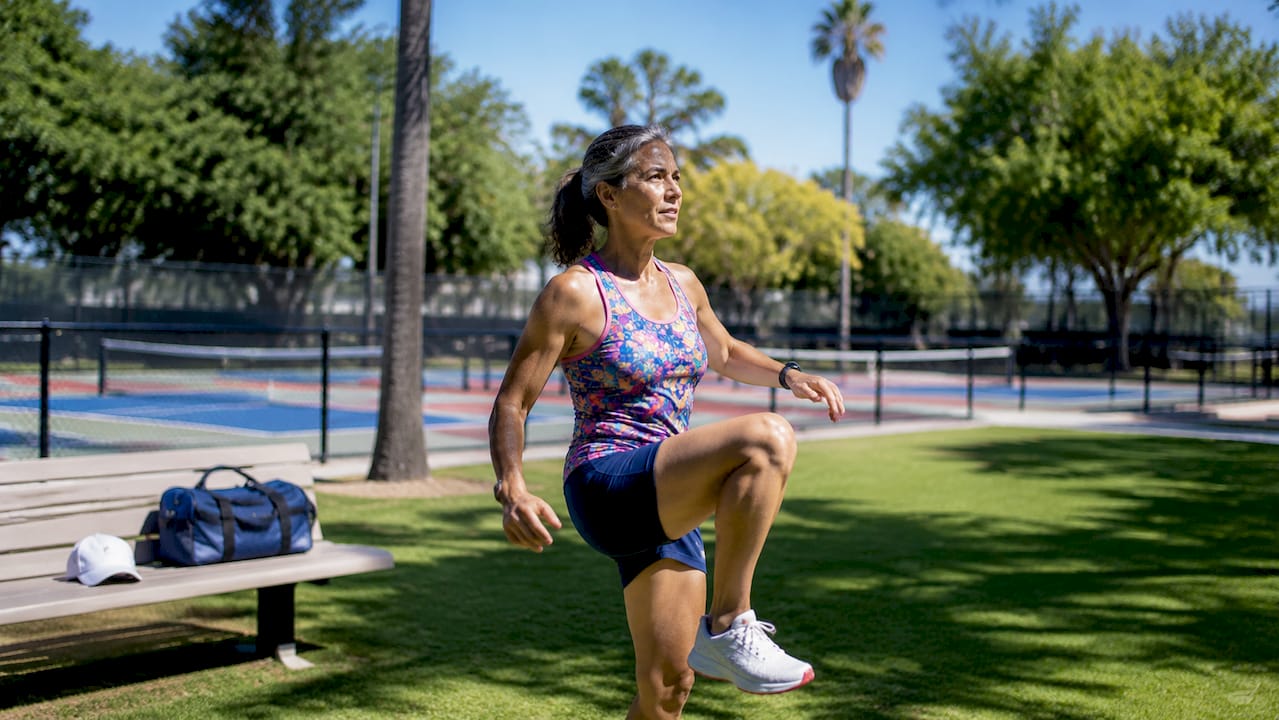
A proper warm-up is the single most effective injury prevention tool available to players over 40. Dynamic warm-ups for 5–10 minutes before play significantly reduce lower-extremity injury risk in court sports. They lubricate your joints, activate your neuromuscular system, and prepare your body for the quick lateral movements pickleball demands.
The most effective pre-game routine includes these movements:
- Leg swings: 10 forward and lateral swings per leg to open the hip joint
- Lateral lunges: 8–10 reps per side to activate the adductors and glutes
- Arm circles: 10 reps forward and backward to warm the rotator cuff
- Shoulder rotations: Slow, controlled circles to prepare the shoulder capsule
- Light jogging: 2–3 minutes to raise your core temperature before drills
Static stretching before play may actually decrease muscle power and is less effective than dynamic movement for pre-game prep. Save your static stretches for after the match, when your muscles are warm and pliable.
Pro Tip: Set a timer for 8 minutes before every session. Treat the warm-up as non-negotiable, the same way you would never skip warming up a car engine in cold weather.
How should players over 40 build strength for pickleball?
Baseline conditioning is what separates players who stay healthy from those who get hurt. Players over 40 often have poor baseline conditioning, which leads to “weekend warrior” injuries from intense back-to-back play without preparation. Building strength off the court directly protects your body on it.
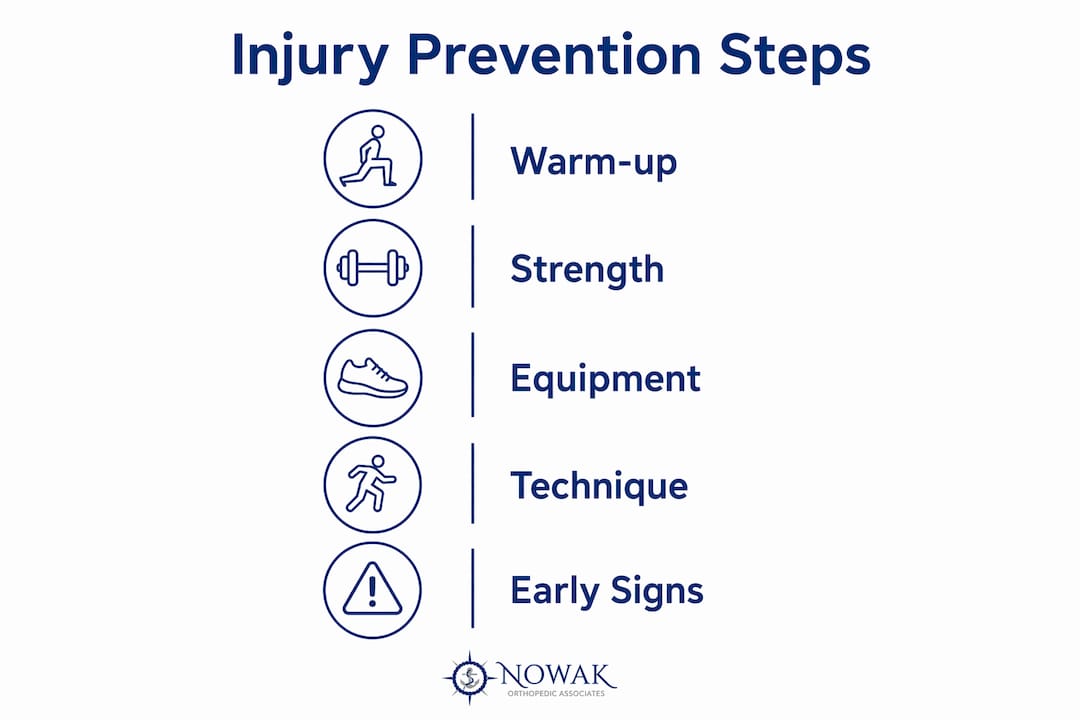
A well-rounded conditioning program for pickleball players over 40 should include:
- Rotator cuff exercises: External rotation with a resistance band, 3 sets of 15 reps, to protect the shoulder during overhead shots
- Glute bridges and hip thrusts: 3 sets of 12 reps to stabilize the pelvis and reduce knee stress
- Eccentric calf raises (Alfredson protocol): 3 sets of 15 reps twice daily, lowering slowly on one leg, to prevent Achilles tendinopathy
- Core planks and dead bugs: 3 sets of 30–45 seconds to support lumbar stability during rotational movements
- Single-leg balance drills: 30 seconds per leg to improve proprioception and reduce fall risk
Balance and conditioning exercises reduce fall rates by 23% and the number of fallers by 15% in older adults. That reduction matters enormously in a sport where sudden direction changes are constant.
The progressive overload principle applies here. Increase your training duration or intensity by no more than 10% per week. Jumping from two sessions to five in a single week is exactly how overuse injuries develop.
Pro Tip: If you are recovering from a joint injury, ask your physical therapist about Blood Flow Restriction (BFR) training. BFR training builds muscle with significantly lower mechanical load, making it ideal for older athletes who cannot tolerate heavy resistance yet.
What equipment and technique changes reduce pickleball injuries?
The right gear and movement habits protect your body in ways that conditioning alone cannot. Equipment choices directly affect your injury risk, especially for the ankle, wrist, and elbow.
Key equipment and technique adjustments for players over 40:
- Footwear: Wear tennis-style court shoes with lateral support. Tennis shoes reduce ankle sprains and Achilles injuries because they are built for sideways movement. Running shoes are not.
- Paddle grip: Use a paddle with the correct grip size for your hand. A grip that is too small forces you to squeeze harder, increasing elbow and wrist strain.
- Fall technique: Train the drop-step and tuck-and-roll instead of reaching backward when you lose balance. Backward reaching during falls is the leading cause of wrist fractures in pickleball players.
- Thoracic spine mobility: Add seated thoracic rotations and foam roller extensions to your routine. Limited thoracic rotation forces your lumbar spine and shoulders to compensate, causing chronic overuse injuries in both areas.
| Equipment or technique | Why it matters |
|---|---|
| Tennis court shoes | Lateral support prevents ankle sprains and Achilles strain |
| Correct paddle grip size | Reduces wrist and elbow overload during play |
| Drop-step fall training | Prevents wrist fractures from instinctive backward reaching |
| Thoracic mobility work | Distributes rotational forces away from the lumbar spine |
Never play through sharp or persistent pain. Discomfort that changes your movement pattern is a warning, not a normal part of aging.
How do you recognize early injury signs and when should you seek help?
Pain during or after play is not a normal outcome of pickleball. It is a signal that something needs attention. Catching problems early is the difference between a week of rest and months of rehabilitation.
Watch for these warning signs:
- Tendon pain: A burning or aching sensation along the Achilles, patellar tendon, or elbow that worsens with play
- Joint swelling: Any swelling in the knee, ankle, or wrist after a session that does not resolve overnight
- Shoulder weakness: Difficulty lifting your arm overhead or a clicking sensation during serves
- Wrist or elbow pain: Pain that persists more than 48 hours after play, especially with gripping
Pain that lingers beyond 48 hours or returns every time you play is a sign of an overuse injury, not normal soreness. Seeking care early prevents those injuries from becoming chronic.
Early intervention for pain and soreness prevents long-term overuse injuries and reduces the need for invasive treatments. A physical therapist can identify muscle imbalances, correct your movement patterns, and design a return-to-play program that protects you going forward. You can learn more about what that process looks like in this sports injury rehab guide from Nowak Orthopedic Associates.
If symptoms worsen or do not improve within two weeks of rest and self-care, a medical evaluation is the right next step. Waiting too long turns manageable conditions into surgical ones.
Key takeaways
Injury prevention for pickleball players over 40 requires consistent warm-up, targeted strength training, proper equipment, and early attention to pain signals before small problems become serious ones.
| Point | Details |
|---|---|
| Dynamic warm-up first | Complete 5–10 minutes of leg swings, lateral lunges, and light jogging before every session. |
| Build strength off the court | Train rotator cuff, glutes, core, and calves with progressive resistance to protect joints during play. |
| Wear the right shoes | Tennis court shoes with lateral support reduce ankle sprains and Achilles injuries. |
| Train safe fall technique | Practice the drop-step to avoid instinctive backward reaching that causes wrist fractures. |
| Act on pain early | Pain lasting beyond 48 hours warrants professional evaluation to prevent chronic overuse injury. |
What I tell every pickleball patient over 40
The players I see who stay active the longest share one habit: they treat their off-court preparation as seriously as the game itself. They do not show up cold, play three hours, and wonder why their Achilles hurts. They warm up, they train consistently during the week, and they listen when their body sends a signal.
The weekend warrior mindset is the most common injury pattern I see in this age group. Playing intensely on Saturday and Sunday after five days of no activity puts enormous stress on tendons and joints that have not been prepared. The fix is not to play less. The fix is to condition more consistently throughout the week, even if that means 20 minutes of targeted exercises on off days.
I also want to push back on the idea that pain is just part of getting older. Chronic pain during pickleball is not inevitable. Many injuries are preventable with education, proper warm-up, and gradual progression. When patients commit to the conditioning work, the results are real. I have seen players in their 60s and 70s competing without pain after addressing the root causes. Age is not the obstacle. Preparation is the answer.
— Dr. Roger Nowak
Orthopedic care for active pickleball players at Nowak Orthopedic Associates
Nowak Orthopedic Associates in Hampton, NH supports active adults who want to stay on the court without chronic pain holding them back. Whether you are managing a nagging shoulder, dealing with Achilles discomfort, or recovering from a wrist injury, the team offers sports medicine services tailored to the demands of aging athletes. Treatment options include physical therapy, platelet-rich plasma (PRP) injections, SoftWave therapy, and guided stretch therapy through the Regenerative Medicine Clinic. For patients who need surgical care, Dr. Roger B. Nowak specializes in minimally invasive procedures for the shoulder, knee, elbow, and hand. Schedule your first visit to get a personalized assessment and a clear plan for returning to the game you love.
FAQ
What are the most common pickleball injuries in players over 40?
The most common injuries include Achilles tendinopathy, rotator cuff strains, tennis elbow, ankle sprains, and wrist fractures from falls. These injuries are largely preventable with proper conditioning and technique.
How long should I warm up before a pickleball game?
A dynamic warm-up of 5–10 minutes is the clinical standard for reducing lower-extremity injury risk in court sports. Include leg swings, lateral lunges, arm circles, and light jogging.
Is it safe to play pickleball every day after age 40?
Daily play is possible with adequate conditioning, rest, and recovery between sessions. The risk rises sharply when players skip preparation and play intensely without building baseline fitness during the week.
When should I see a doctor for pickleball-related pain?
See a doctor if pain persists beyond 48 hours, returns every time you play, or is accompanied by swelling or weakness. Early intervention prevents overuse injuries from becoming chronic or requiring surgery.
What shoes are best for pickleball players over 40?
Tennis-style court shoes with lateral support are the best choice. Running shoes lack the sideways stability that pickleball demands and increase the risk of ankle sprains and Achilles injuries.